Can you match the original trim in my house?
Usually. We take a section, work out the profile and cut to it, in a timber chosen to age toward what is already there.
 Grace Woodwork
Kitchen cabinets and built-ins for Tyler — including matching original joinery in the historic districts, where the trim profiles were cut long before anything was standardised.
This is the work Tyler asks for more than anywhere else on our list. A house in Charnwood, Brick Streets or Azalea has moldings with deeper profiles than anything sold today, built-in cupboards flanking a chimney breast, window seats, and stair joinery cut on site by somebody long gone. When part of that has to be replaced, extended or restored, a stock profile from a lumber yard is visible from across the room.
Matching it means taking a section, working out the profile, cutting to it, and choosing a timber that will age toward what is already in the house rather than away from it. It is slower than fitting standard trim and it costs more. In a house inside a National Register district it is the only version worth doing.
Worth knowing before you plan a project: the City of Tyler notes that National Register listing gives access to federal and state tax credits for the rehabilitation of those properties. Listing itself puts no restriction on how you use or treat your own property — but if you do use the credits, the work has to meet the Secretary of the Interior's Standards for a set period.
We are not tax advisers and have no involvement in that program, so take the detail up with the City of Tyler's historic preservation department and your accountant. But it is worth asking before you commit to a rehabilitation, because the answer can change what the project is worth doing to.
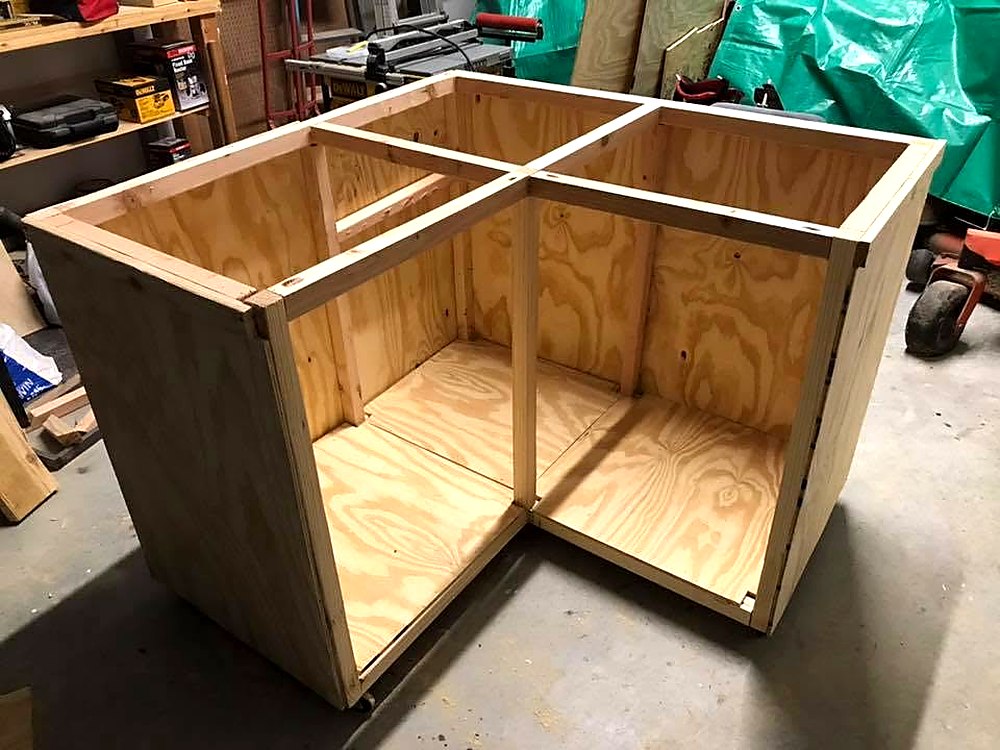
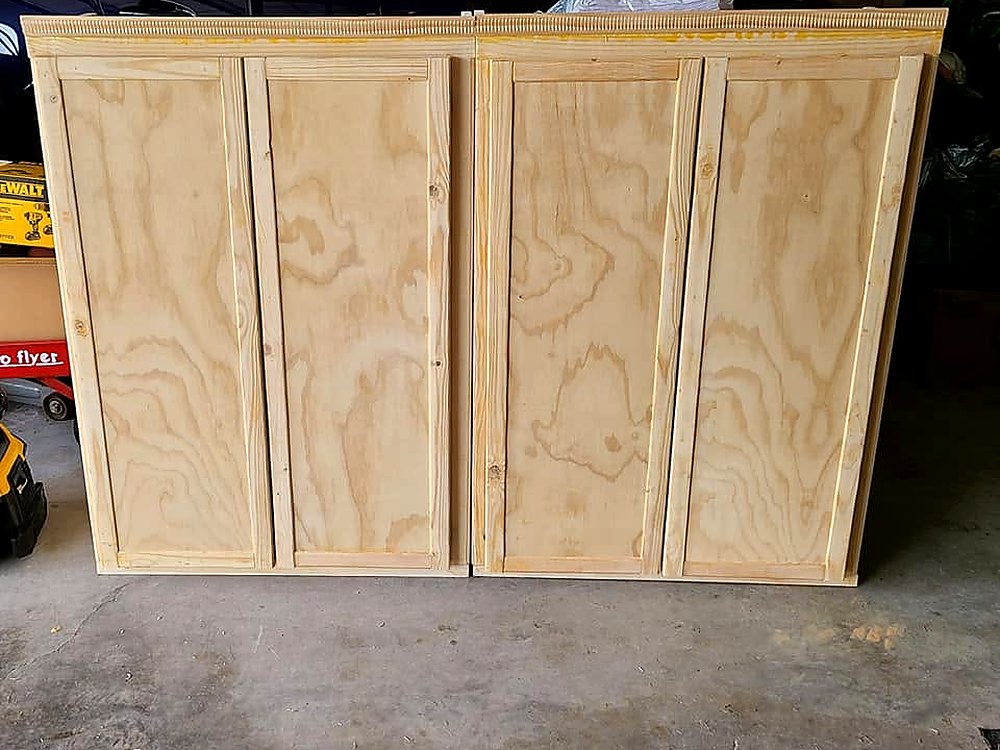
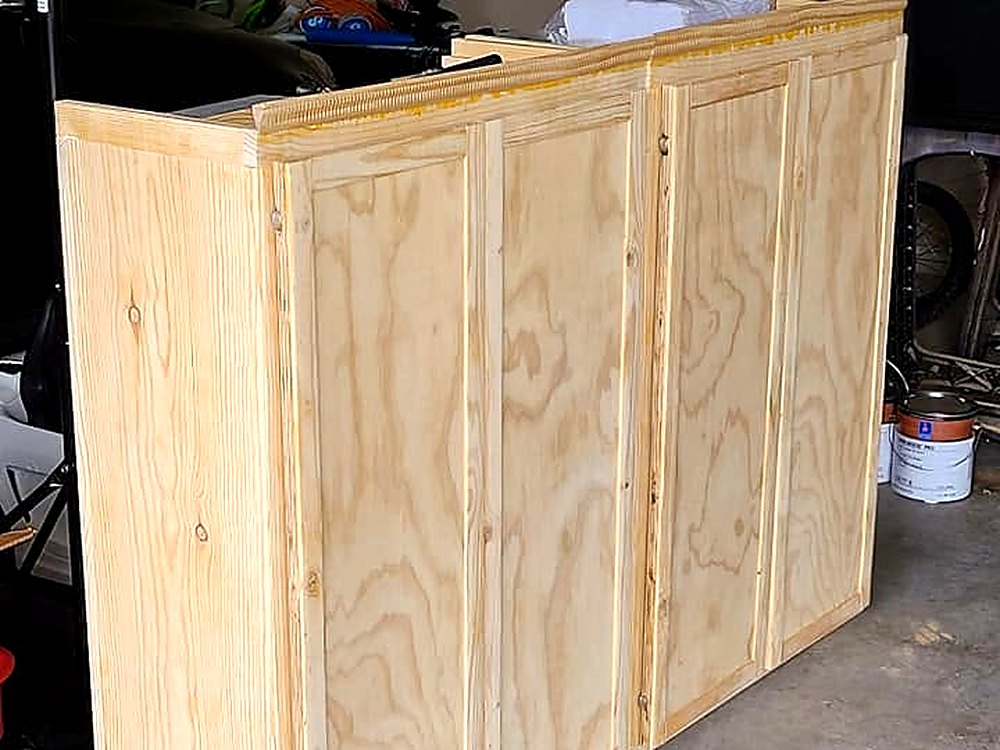
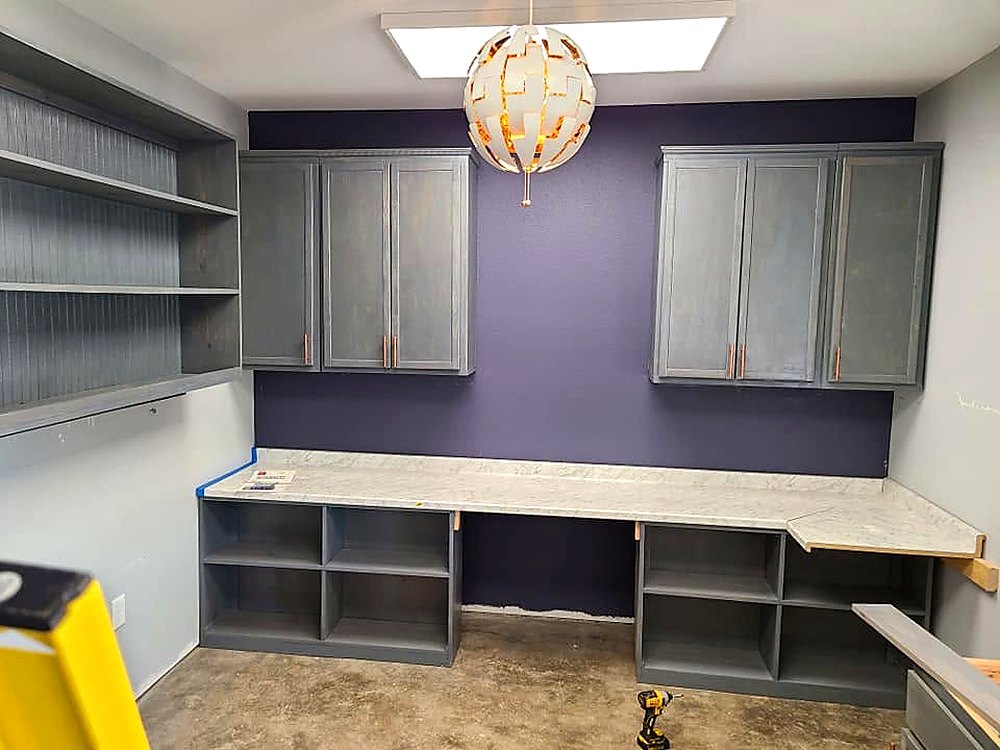
Factory cabinets come in fixed widths in three-inch steps, and none of these houses was built to that grid. You get filler strips down the run, a corner nobody can reach into, and inches of wall doing nothing. Building to the actual opening removes it, and in a period house it also means working around the things that cannot move — the chimney, the ceiling height, the window that sits off center.
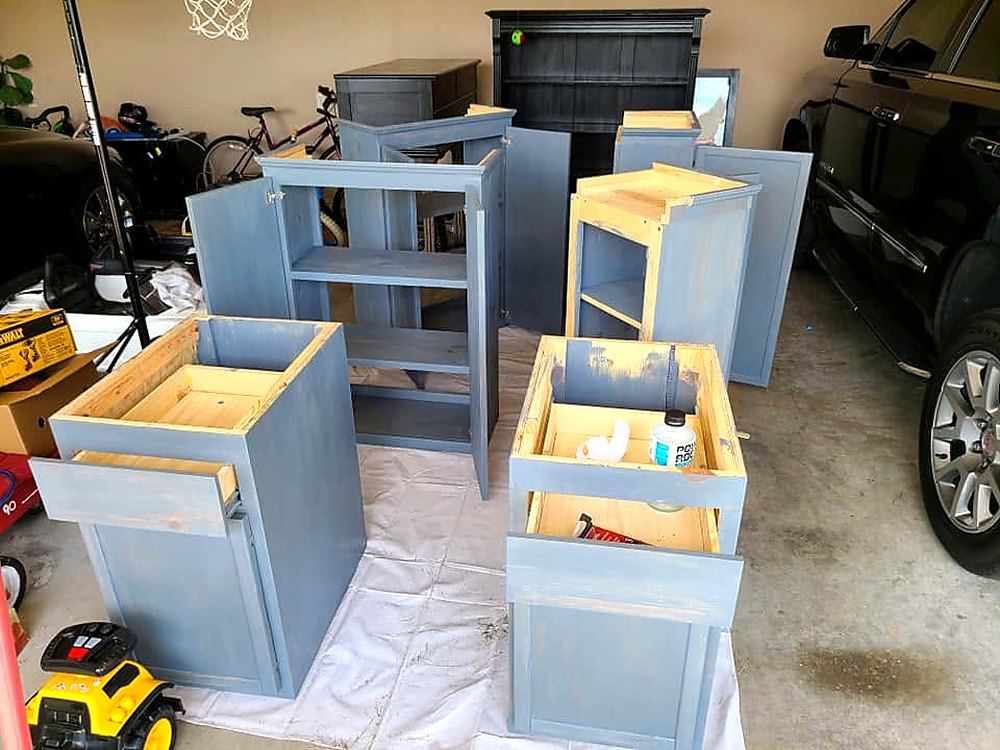
Plenty of kitchens do not need tearing out at all. The carcasses are often solid and sound and only the doors, runners, handles and finish are done. New fronts and hardware with the run refinished gets a different kitchen for a fraction of a rebuild, and we say so when that is the honest answer.
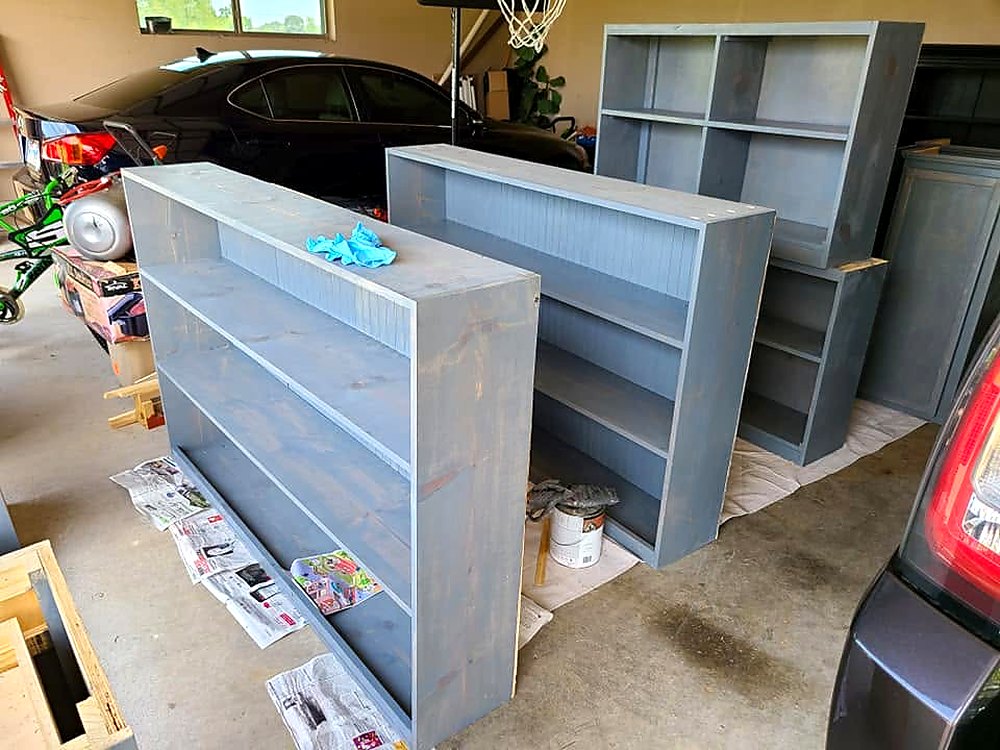
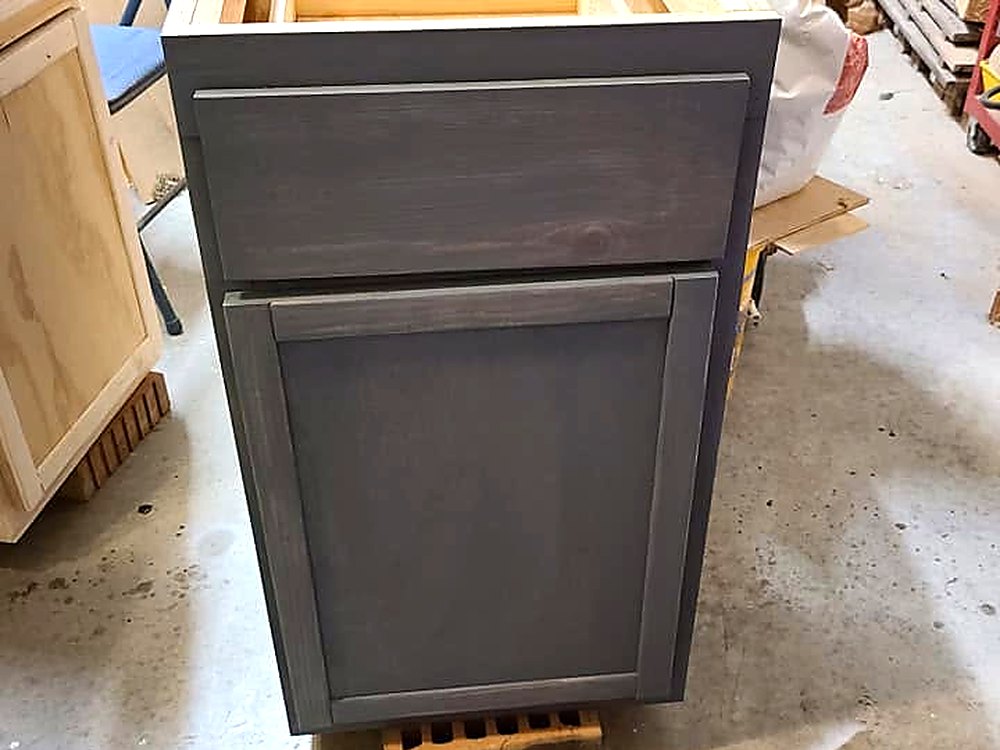
Tyler's downtown historic district carries forty-six Half Mile of History markers around the square, and the town has a real record of putting old buildings to new use — a 1924 brick food store now houses a law firm's offices. Fitting out a building like that is scribing work: nothing is plumb, nothing is square, and the joinery is cut to the building rather than the building packed out to suit the joinery. We take that work and would rather quote it standing in the space.
Usually. We take a section, work out the profile and cut to it, in a timber chosen to age toward what is already there.
There may be, if the property is National Register listed. We are not tax advisers — ask the City of Tyler's historic preservation department and your accountant before you plan the work.
Usually not. Replacing only what needs replacing is normally the better job and much the cheaper one.
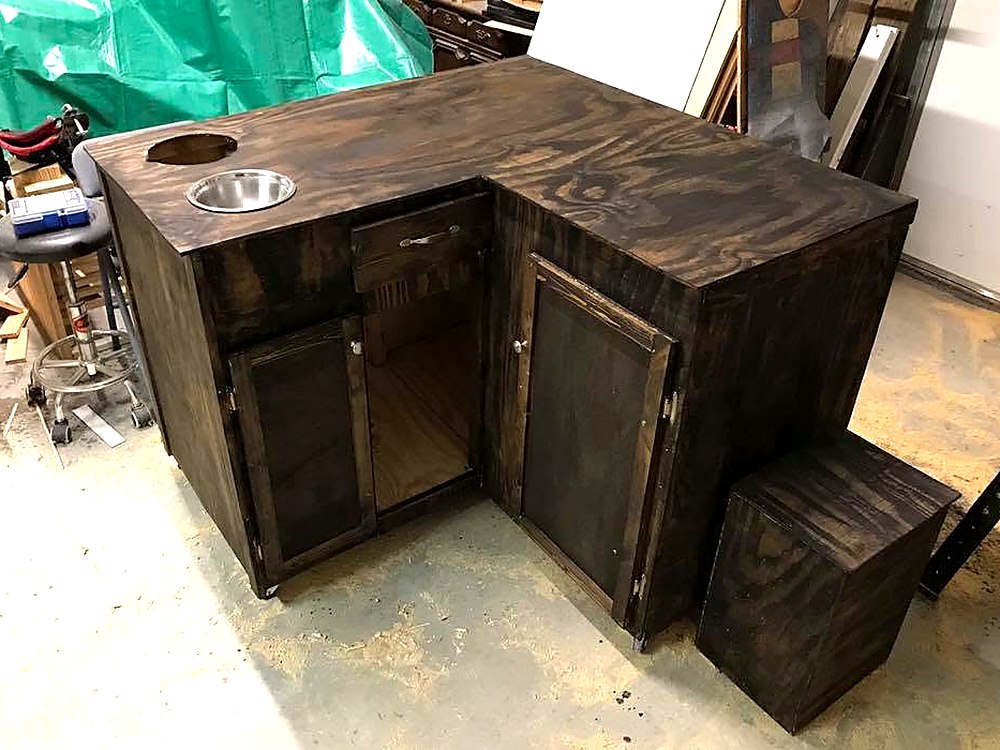
Yes — counters, display joinery and back-of-house storage, including in older buildings where nothing is square.
The shop is in Kilgore and we travel from here — as far as Lufkin when the job is worth the drive.
A phone picture is plenty. We will tell you what it needs, what it will cost and roughly how long it will take — before you commit to anything.
Send a photo