My house is old and nothing is square. Is that a problem?
No, it is the normal condition. The out-of-true gets measured and built in rather than discovered on fitting day.
 Grace Woodwork
Kitchen cabinets, built-ins and storage for Troup — built to fit houses from a railroad town that were never laid out for fitted units.
Troup's housing came largely from its railroad decades, and none of it was laid out around fitted kitchens because fitted kitchens did not exist. Factory cabinets come in fixed widths in three-inch steps and assume square walls and standard ceiling heights. You get filler strips down the run, a corner nobody can reach into, and inches of wall doing nothing.
Building to the actual opening removes all of it, and in a house of this age it also means working around the things that cannot move — the chimney, the ceiling that changes height, the window sitting off center.
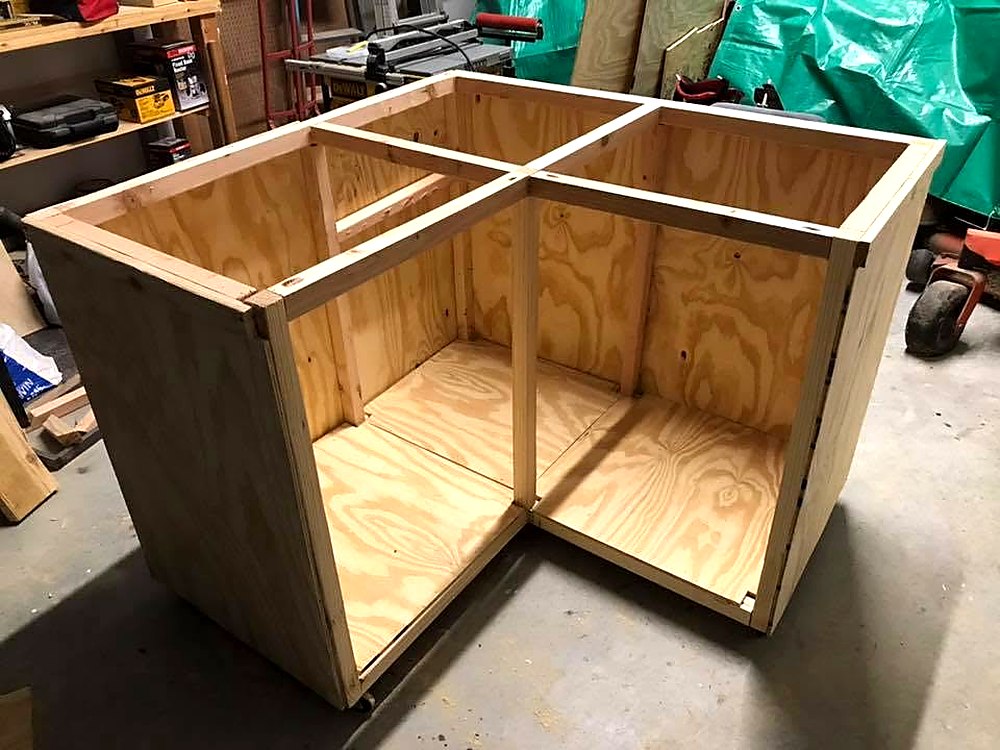
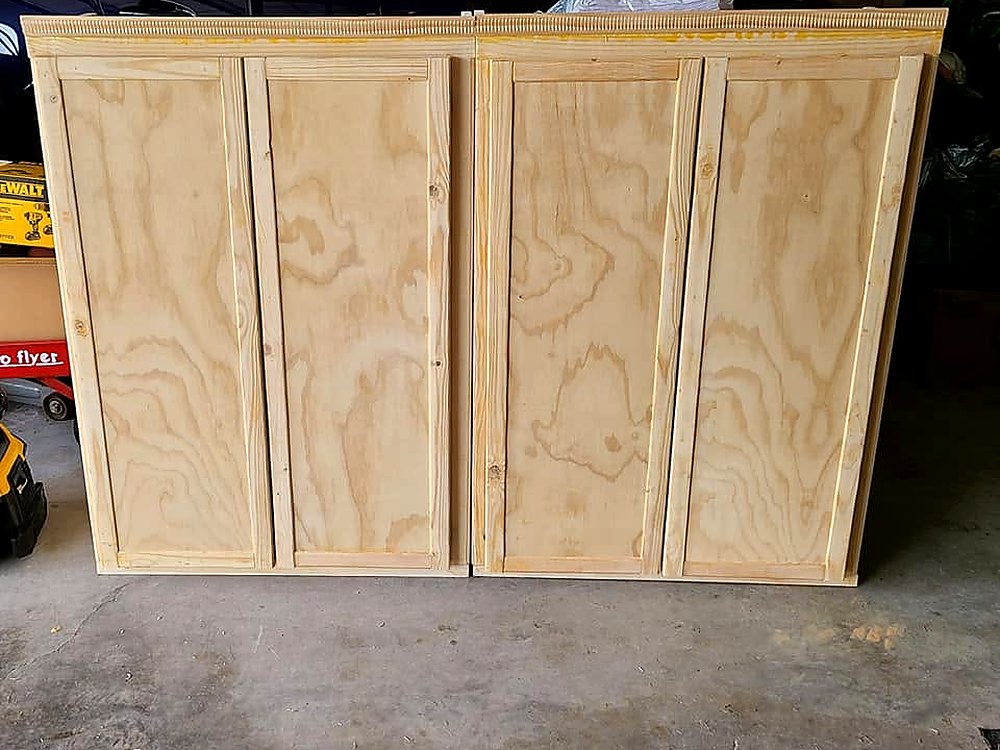
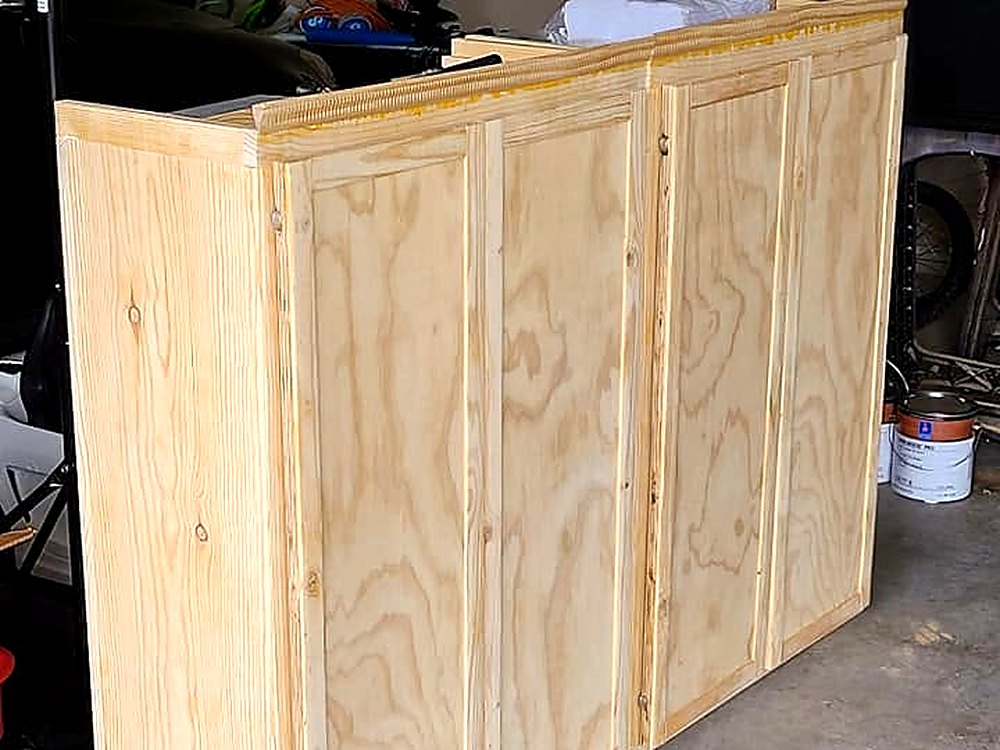
Older houses here have moldings with deeper profiles than anything sold today, cupboards built into chimney alcoves, and trim cut on the job by somebody long gone. When part of that has to be replaced or extended, stock molding from a lumber yard is obvious from across the room. Matching means taking a section, working out the profile and cutting to it, in a timber that will age toward what is already there.
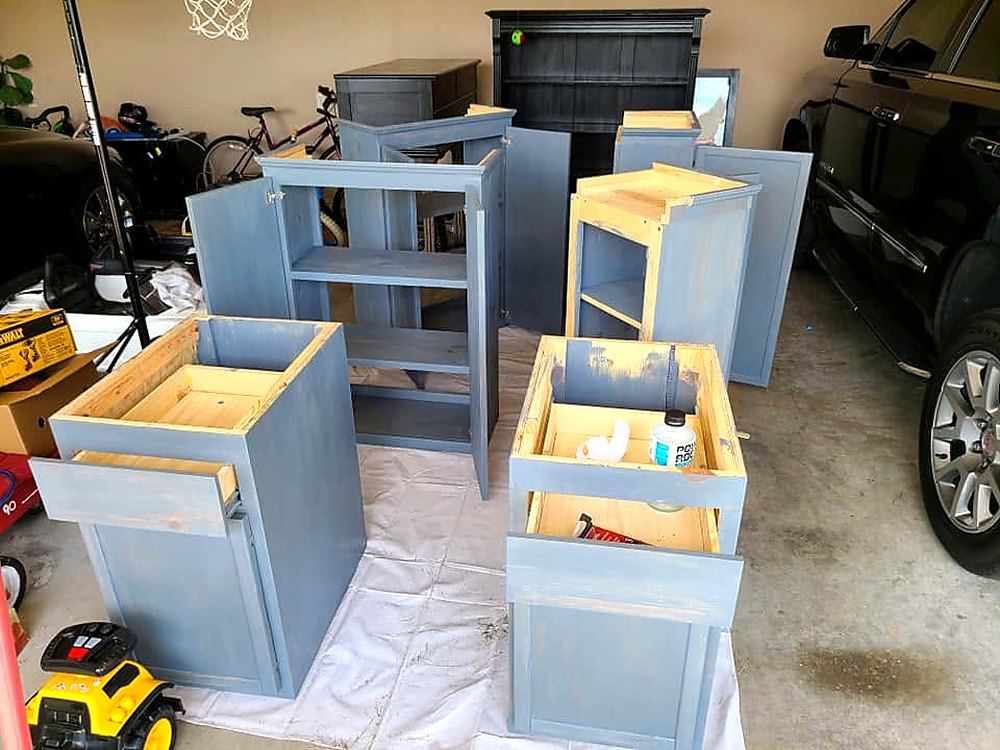
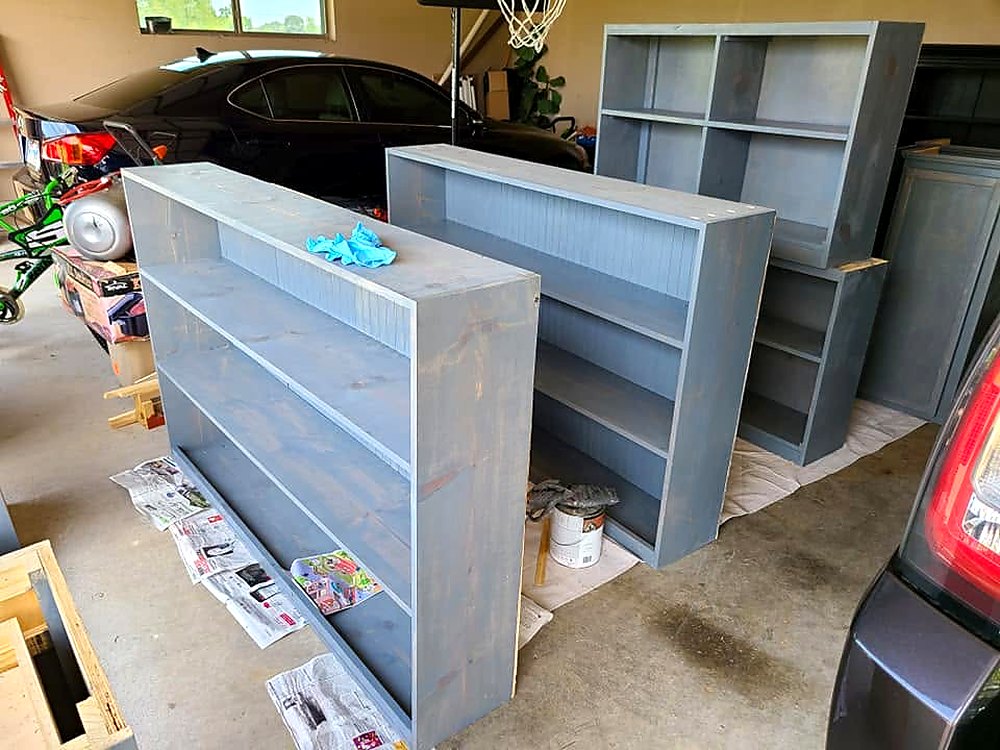
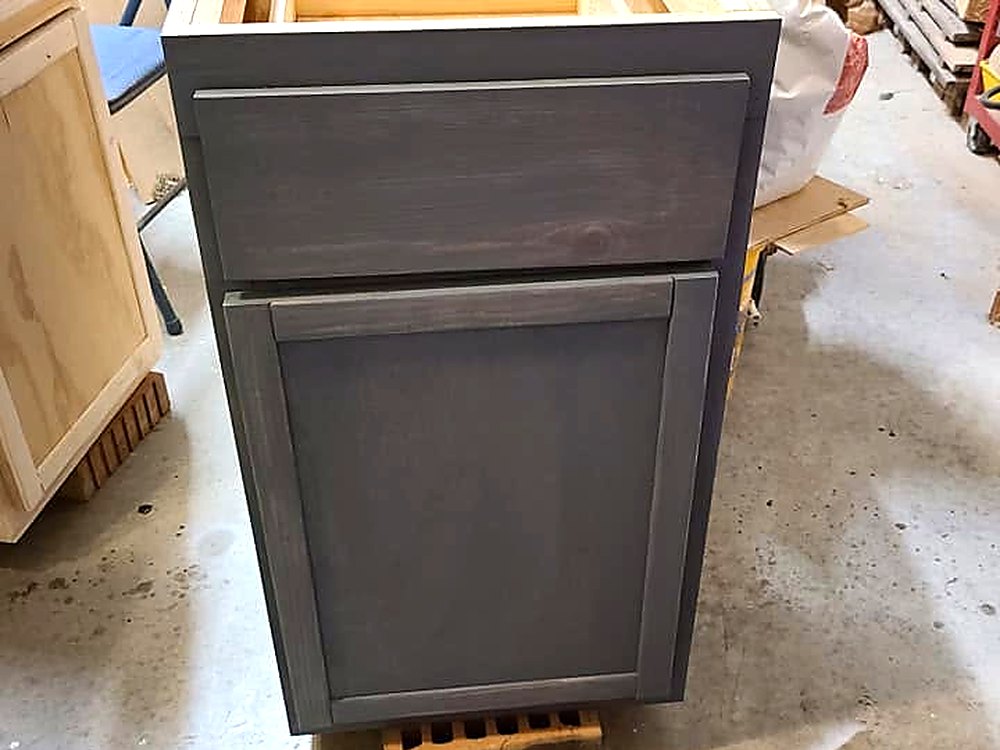
A lot of these kitchens do not need tearing out. The carcasses are frequently solid timber and perfectly sound, and it is the doors, drawer runners, handles and finish that are done. New fronts and hardware with the run refinished gets a different kitchen for a fraction of a rebuild. We will say so when that is the honest answer for yours.
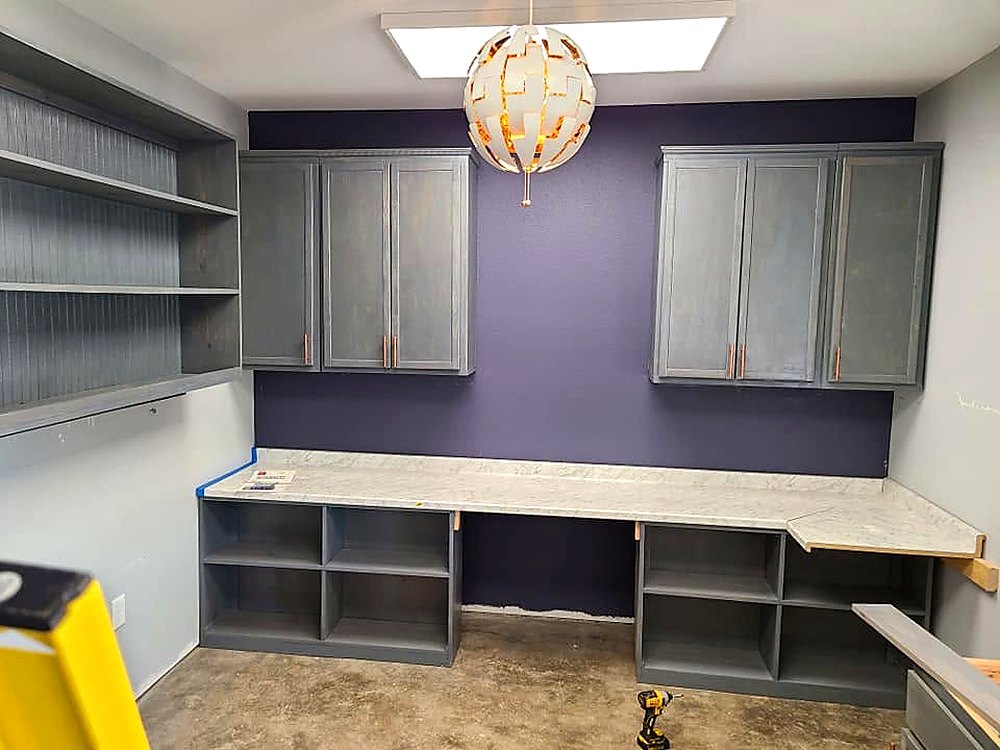
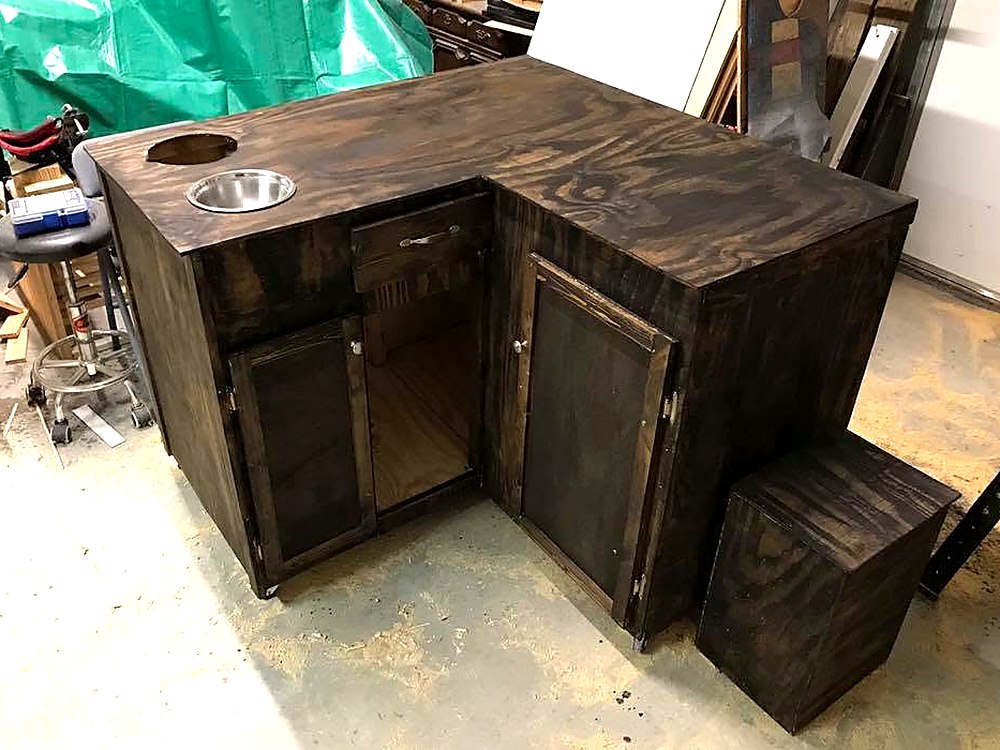
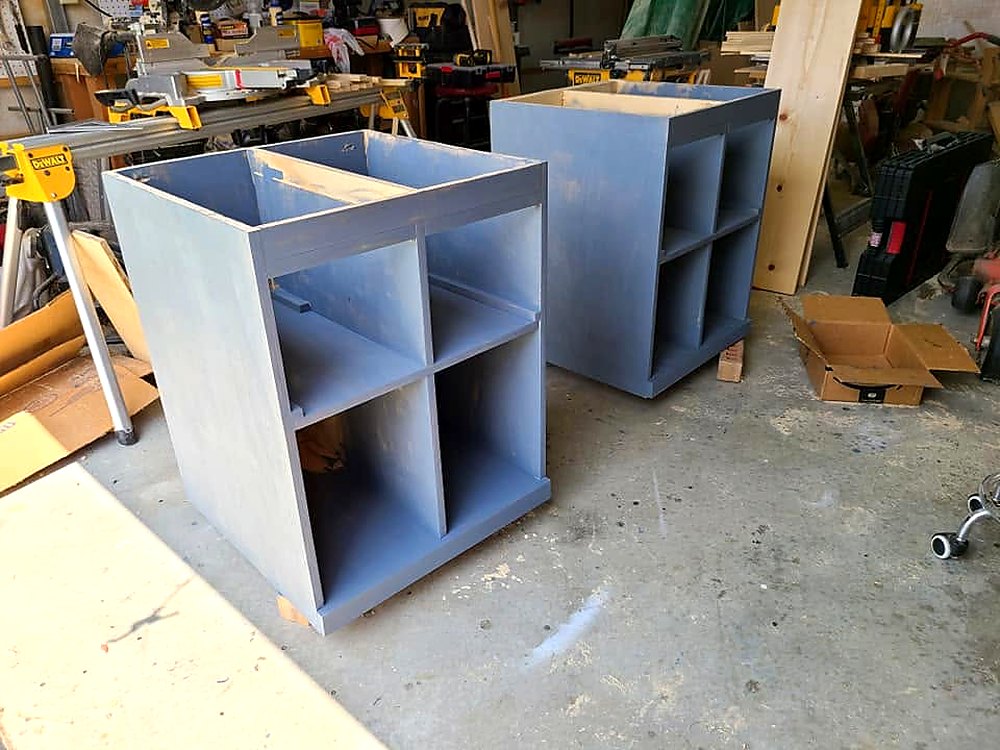
Mudroom benches with hooks, cubbies and boot storage. Pantry runs. Laundry cabinetry. Built-in desks. Window seats with storage under, which in an older house is often putting back something that was there originally. Bookcases fitted into an alcove. Barn and workshop storage built to hold weight.
No, it is the normal condition. The out-of-true gets measured and built in rather than discovered on fitting day.
Usually. We take a section, work out the profile and cut to it, in a timber chosen to age toward what is already there.
Usually not. Replacing only what needs replacing is normally the better job and much the cheaper one.
Yes. It is about forty minutes from the Kilgore shop.
The shop is in Kilgore and we travel from here — as far as Lufkin when the job is worth the drive.
A phone picture is plenty. We will tell you what it needs, what it will cost and roughly how long it will take — before you commit to anything.
Send a photo