Why do my lake house cabinets keep sticking?
Seasonal damp. A building that is shut up unheated takes up moisture and the timber moves. The fix is clearance designed in, sealed faces and ply rather than particle board.
 Grace Woodwork
Cabinets, built-ins and storage for Arp and the Lake Tyler shoreline — including joinery built for a house that gets shut up for months at a time.
Lake Tyler and Lake Tyler East sit immediately west of Arp, nearly five thousand surface acres between them, with everything along the shore from weekend camps to year-round houses. That is unlike anywhere else we work, and cabinetry in those buildings has to survive conditions a town kitchen never sees.
A lake house gets shut up. Nobody runs the air conditioning through February in a place they use in July, so the building sits closed, damp and unventilated for months. Particle board swells. Doors that closed in September will not close in April. Drawer bottoms sag. Anything that took up moisture never quite gives it back.
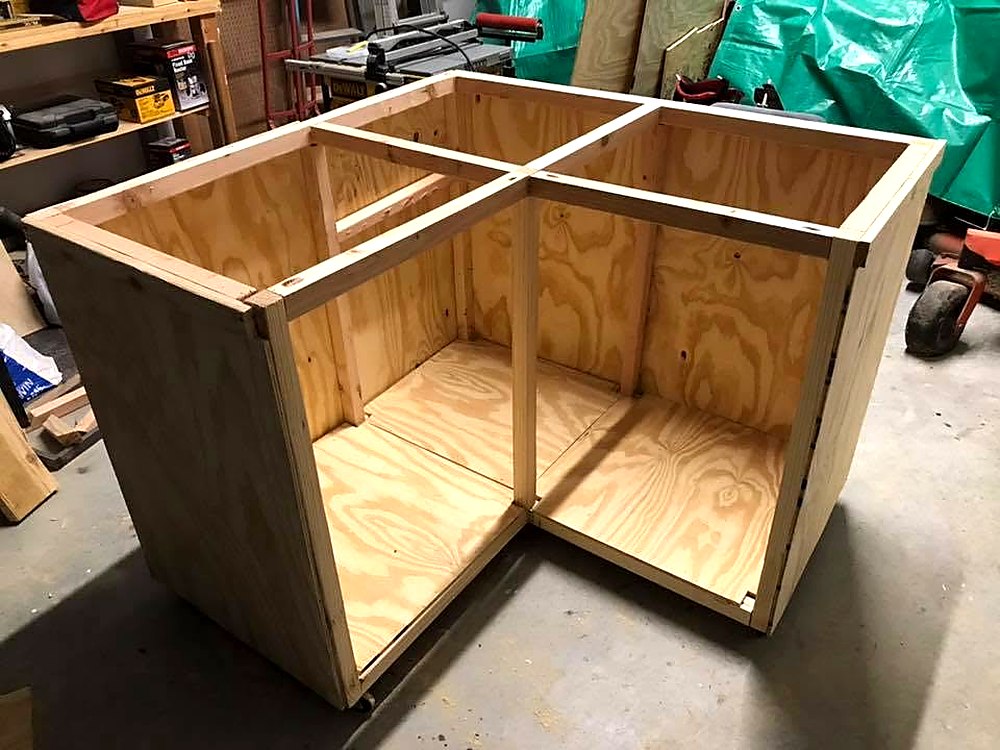
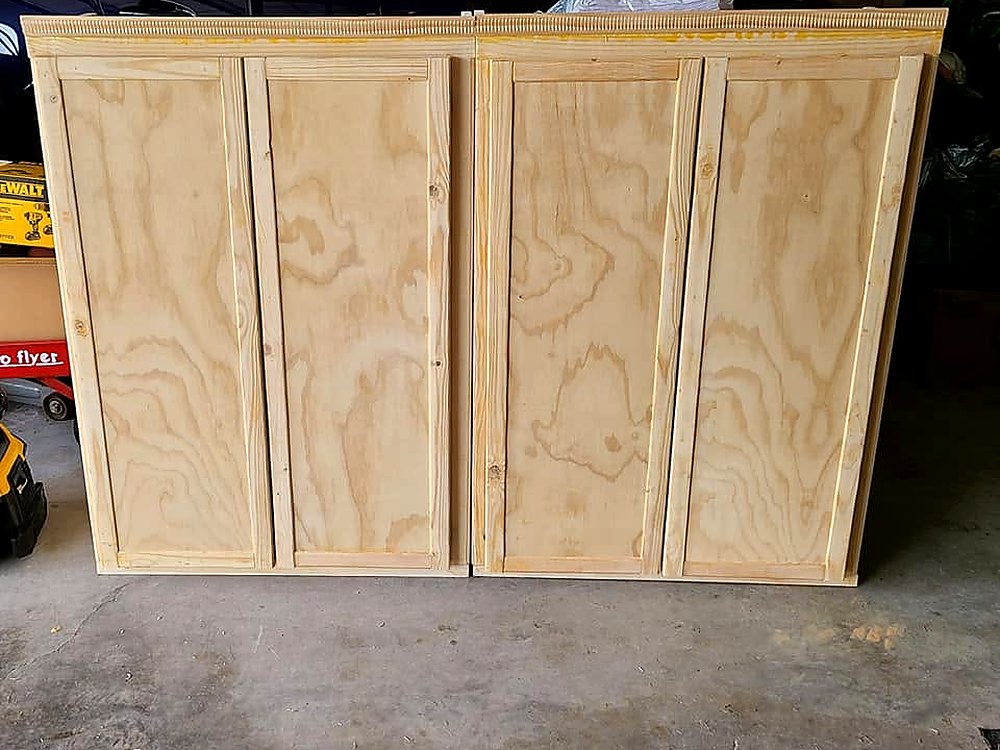
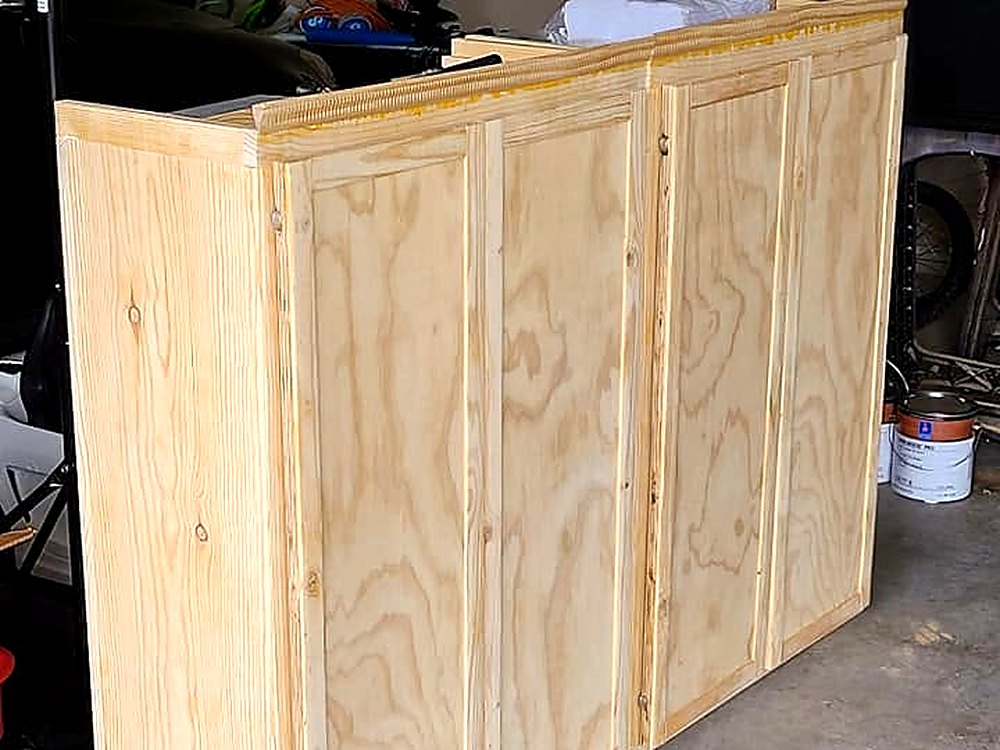
Plywood carcasses rather than particle board, because ply handles damp cycling and particle board does not — once water is in it, it is finished. Doors and drawer fronts with a bit of clearance designed in, so seasonal movement does not jam them shut. Finish on every face including the backs and the undersides, which is where cheap cabinetry is left raw and where moisture gets in first. Hardware that will not rust in a room nobody dehumidifies.
None of that is exotic. It is the difference between joinery that lasts twenty years on a lake and joinery that looks tired after four.
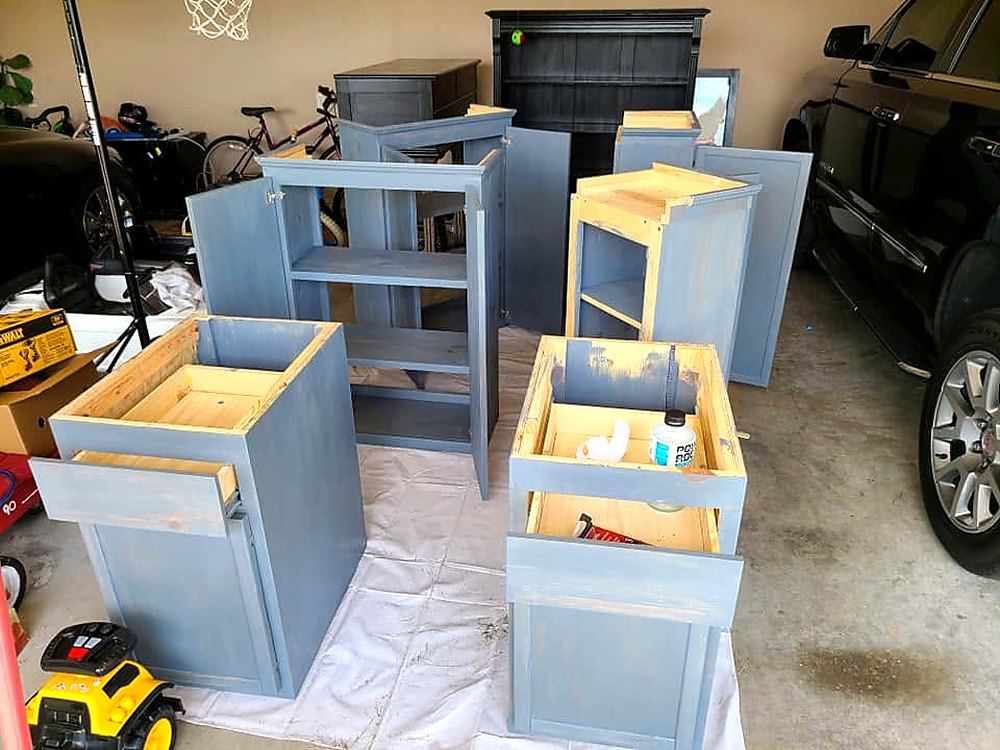
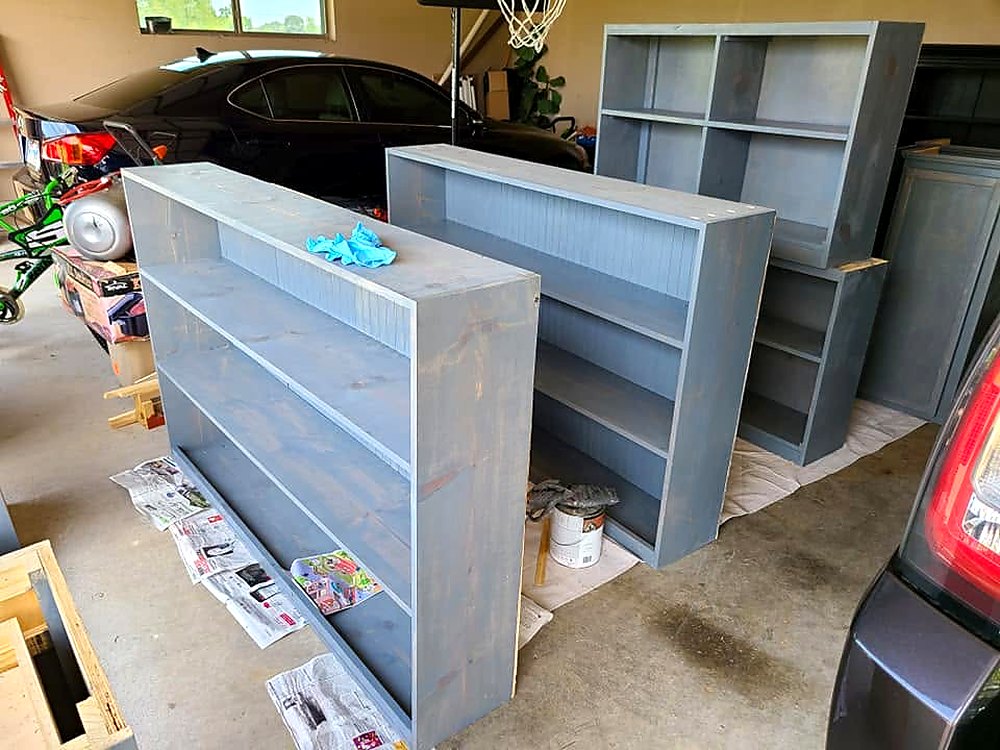
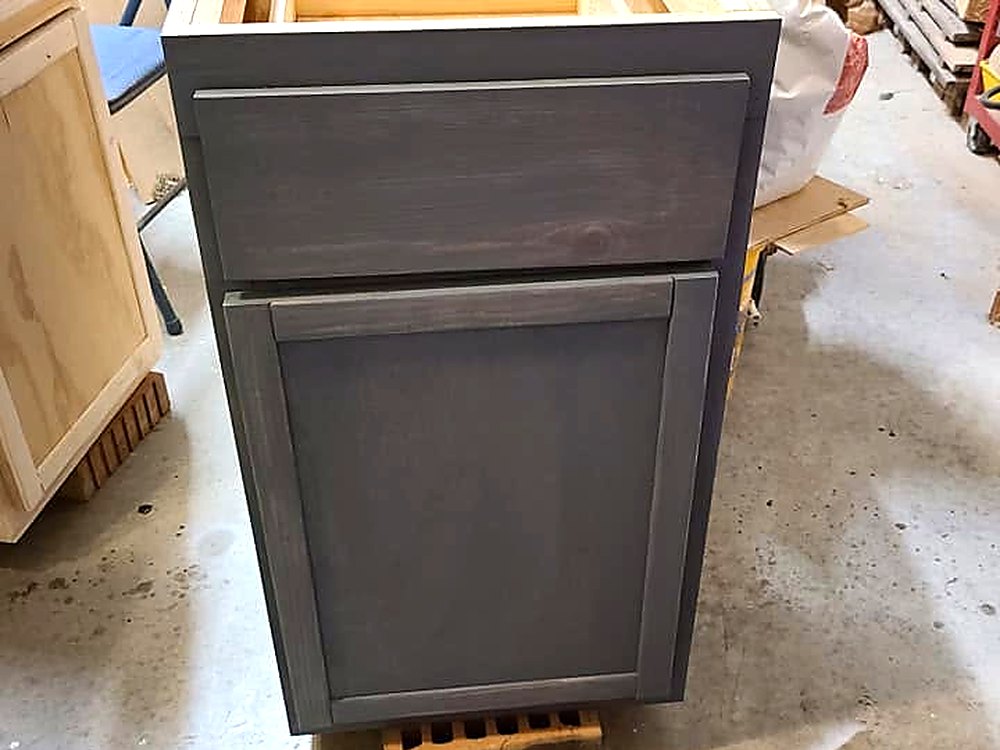
A camp or a lake house stores differently from a home. Everything arrives at once and leaves at once — rods, tackle, life jackets, wet towels, coolers, folding chairs, and whatever the last group left behind. What it needs is somewhere to put all of that so the place can be closed up in twenty minutes rather than an hour.
Screened porch storage benches. Rod and tackle cupboards. Deep drawers for bedding that will not be touched for four months. A bunk room fitted out properly so eight people sleep without eight pieces of furniture. Lockable storage for anything you would rather not leave visible through a window all winter.
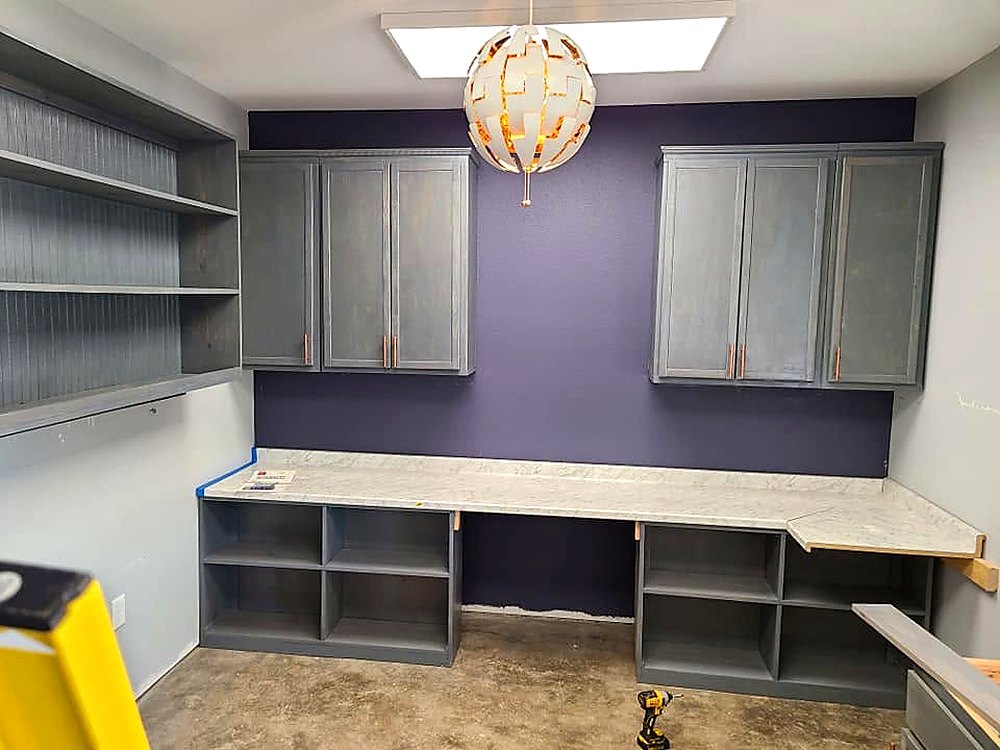
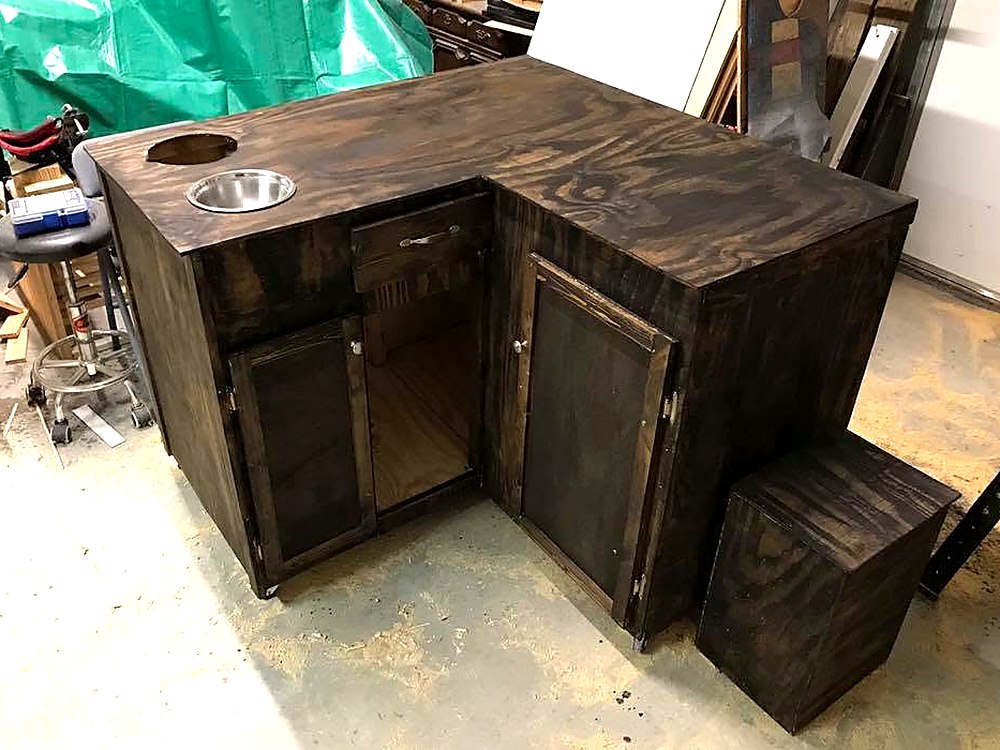
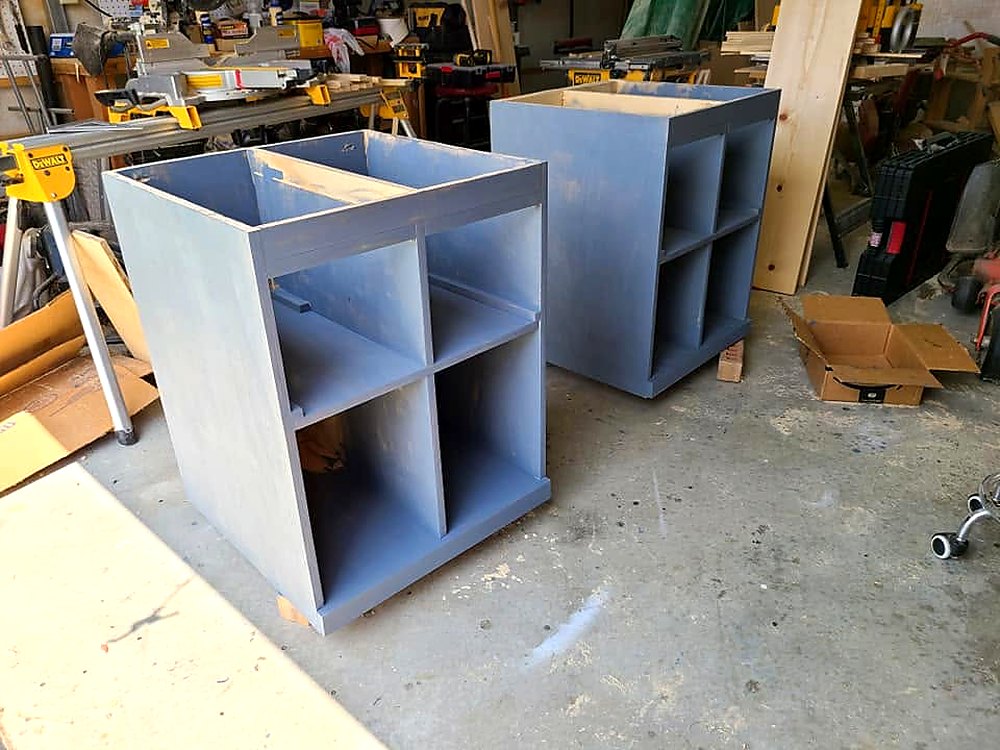
Arp itself is small — under a thousand people — and the houses in and around it are mostly modest and often added to over the years. Kitchens there get the same treatment: built to the opening rather than to a catalog width, and where the existing carcasses are sound, new fronts and hardware rather than a rebuild. We will tell you which of the two you need, including when it is the cheaper one.
Lake work in particular gets quoted in person. How the building is ventilated, whether it is heated in winter, and how it is shut up for the season all change what should be built, and none of that comes across in a photograph.
Seasonal damp. A building that is shut up unheated takes up moisture and the timber moves. The fix is clearance designed in, sealed faces and ply rather than particle board.
Yes, and built for it rather than being indoor joinery put outside — different timber, different finish, different hardware.
Usually not. If the carcasses are sound, new fronts and hardware transform it cheaply. We will tell you which you have.
Yes, about forty minutes from the Kilgore shop, with no extra charge for the distance.
The shop is in Kilgore and we travel from here — as far as Lufkin when the job is worth the drive.
A phone picture is plenty. We will tell you what it needs, what it will cost and roughly how long it will take — before you commit to anything.
Send a photo