Do you collect from Tyler?
Yes. It is about forty minutes from the Kilgore shop, and we collect and return rather than expecting you to move it.
 Grace Woodwork
Repair and restoration for Tyler — including the furniture that belongs in the Azalea, Brick Streets and Charnwood houses, which is rarely the furniture you can replace at a store.
Tyler has six National Register historic districts and two local overlay districts covering more than seventy properties. Charnwood was the city's first, known in the nineteenth century as South Tyler. The Brick Streets district runs back to the mid-1800s on the first paved streets in the city, full of Queen Anne, Colonial, Classical Revival and Craftsman houses. The Azalea district covers the first fifty-three years of the twentieth century, mostly Tudor, Colonial Revival and Spanish Revival, and was designated in June 2003.
Houses like that hold furniture that matches them. Pieces bought for the room a century ago, inherited with the house, or hunted down since to suit it. That is not furniture anybody replaces casually — which is why most of what comes to us from Tyler is a repair rather than a decision about whether to bother.
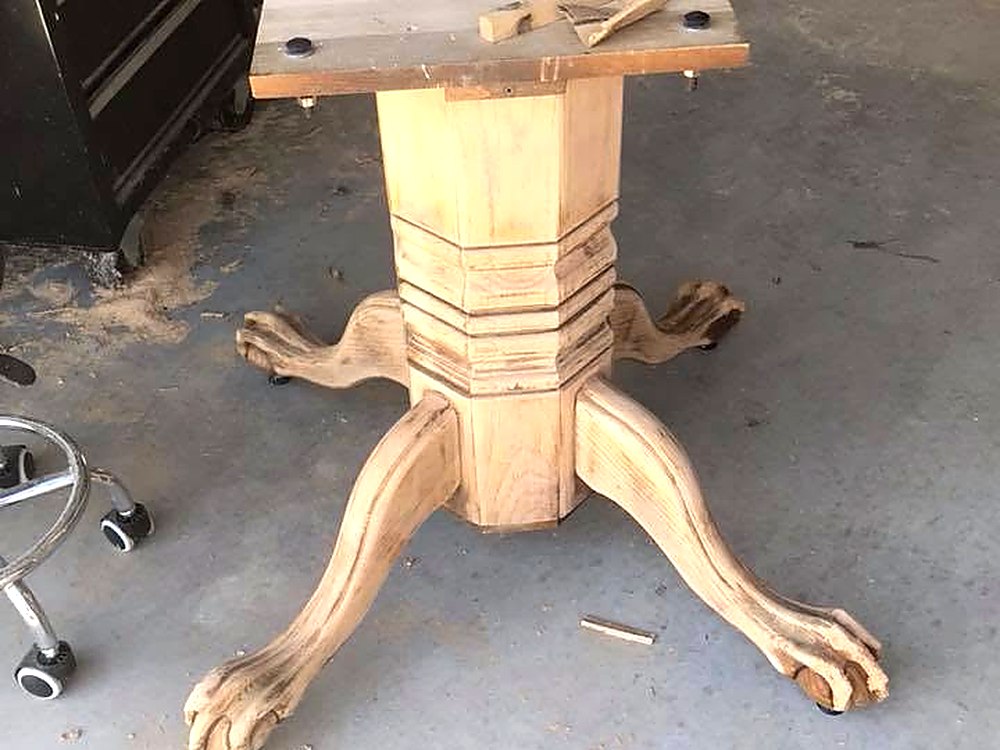
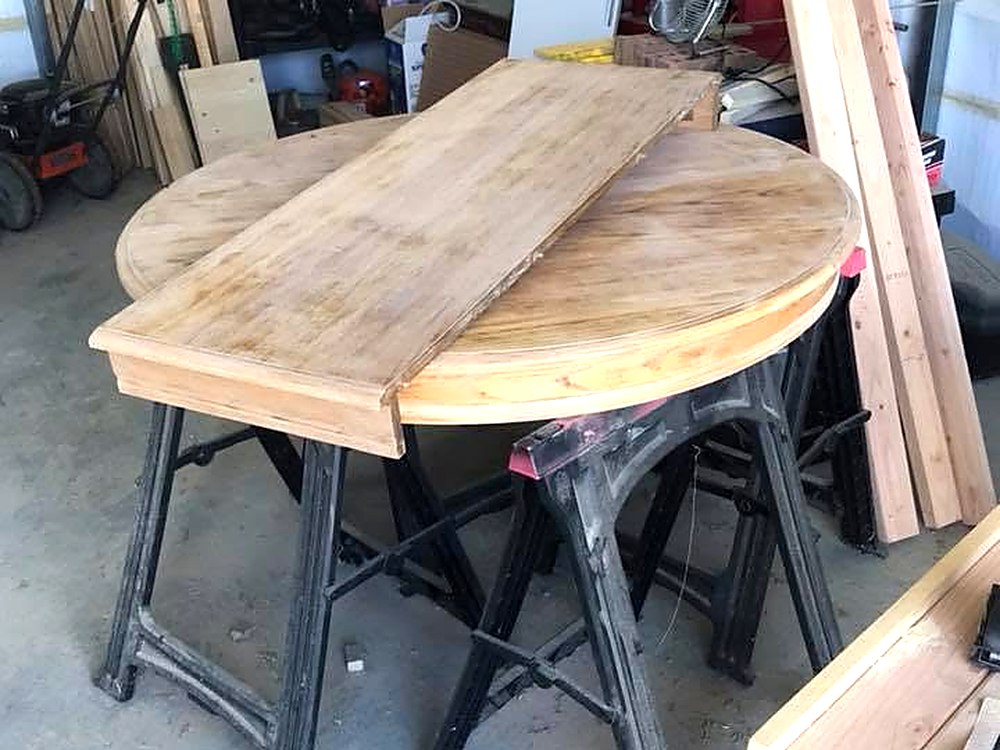
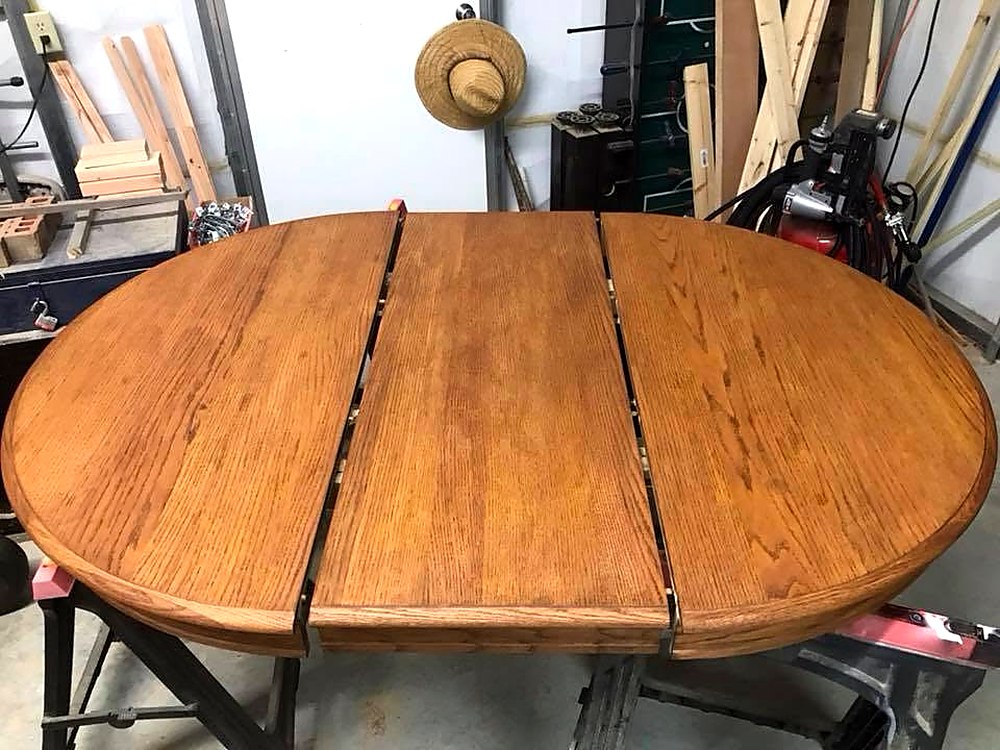
The Brick Streets houses are the ones that show it. Gingerbread work, fish-scale shingling, turned spindles, mansard detail — the same vocabulary appears on the furniture inside them. Repairing a broken turned leg or a run of missing spindles means cutting to match what is already there rather than fitting the nearest standard part, and a near-miss is obvious to anyone who lives with the piece.
The same applies to carved and applied detail. Where a section is gone entirely it has to be cut new; where it is loose it should be re-glued rather than replaced. The order of preference is always repair, then match, then remake — in that order, and we will tell you which one your piece needs.
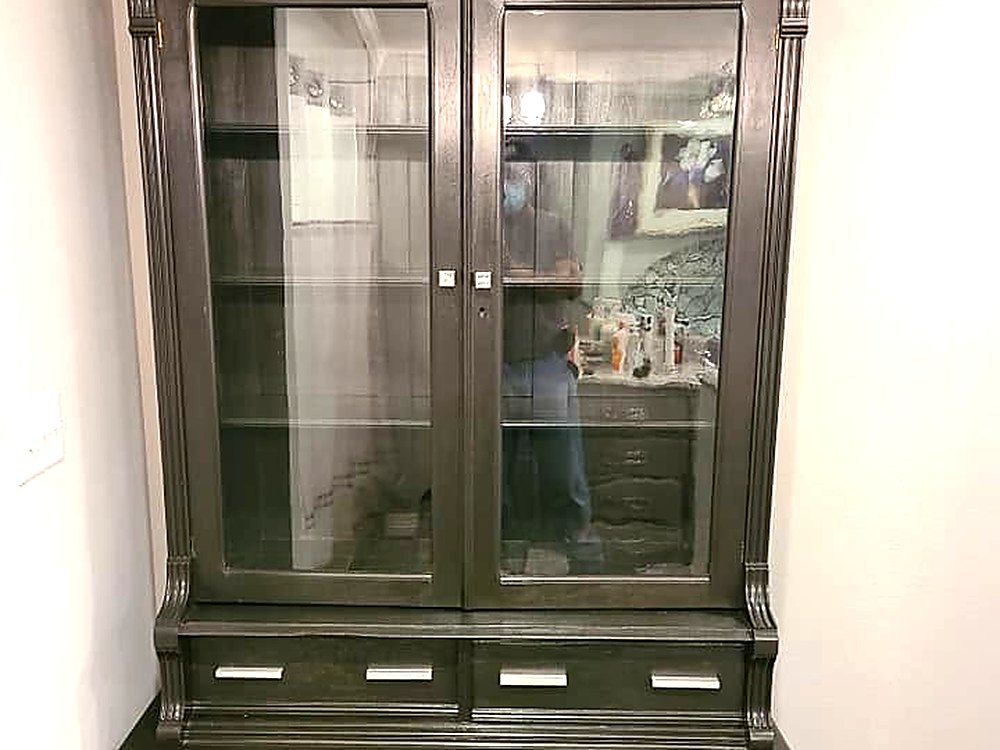
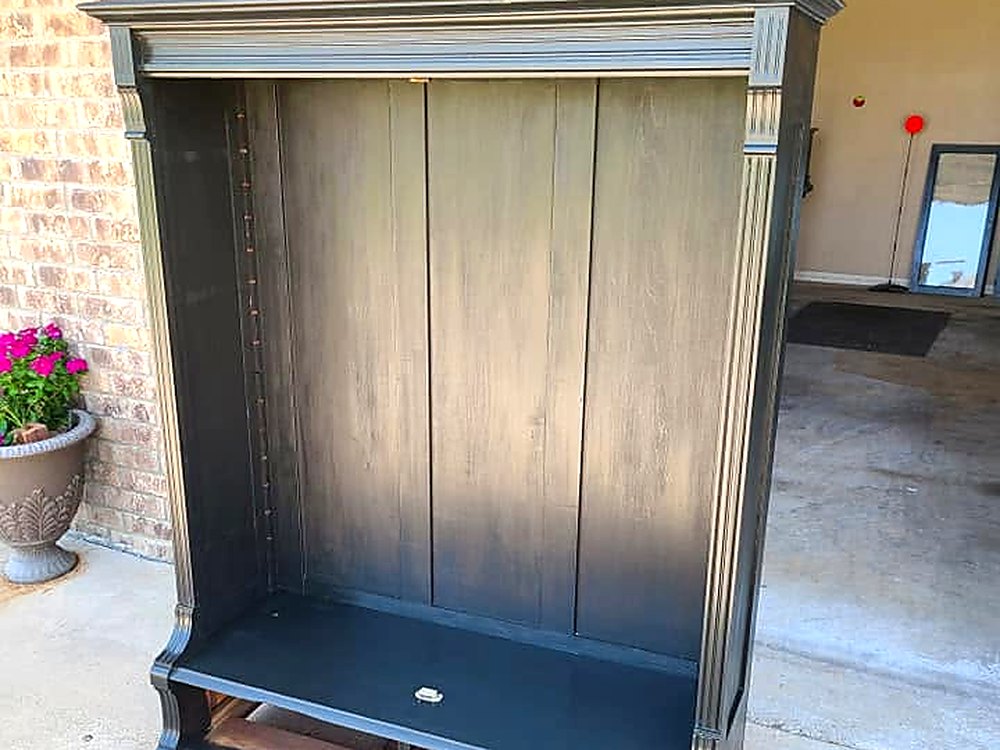
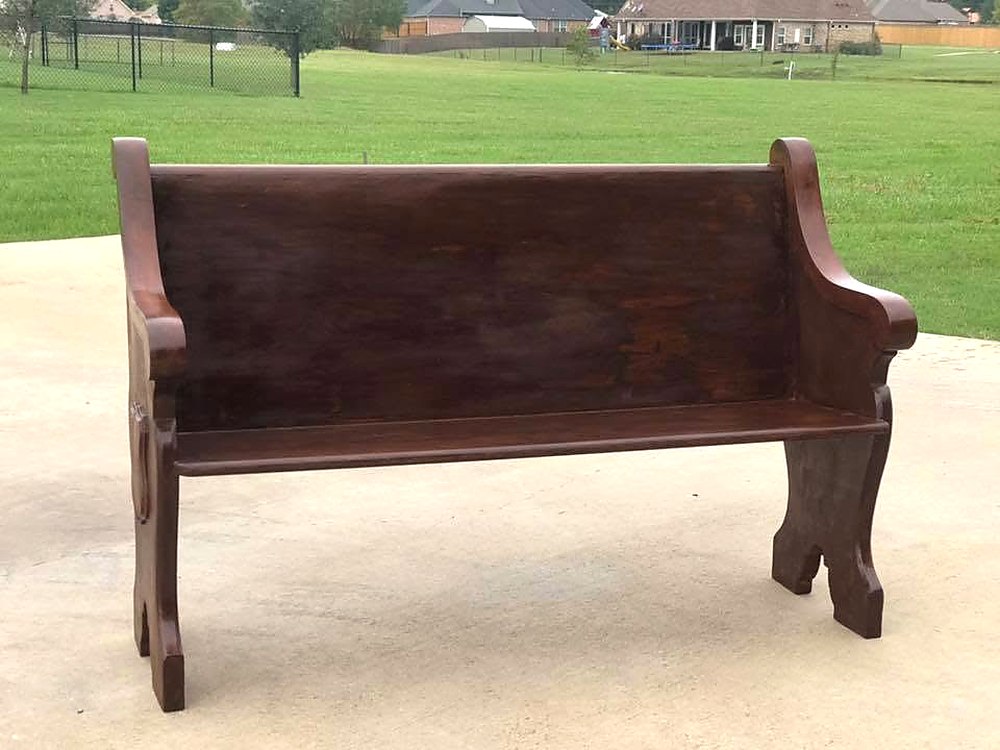
Loose and broken joints. Chairs that rock. Drawers that bind, drop or sit crooked. Lifted or blistered veneer. Water rings, heat marks and sun-faded tops — common in Tyler, where a lot of these houses have large south-facing windows and a piece has sat in the light for decades. Split boards, cracked legs, missing moldings. Full strip-and-refinish work when the finish genuinely is done.
On a genuinely old piece the original finish is part of what it is worth, and stripping it back cannot be undone. A clean, a wax and careful touching-in is often the better job and always the cheaper one. Where something looks valuable enough that it ought to be appraised before any work starts, we will say so rather than pick up a scraper.
The shop is in Kilgore, about forty minutes east on Highway 31. That is the longest run on our list of towns and it is still an easy one — we collect and return rather than asking you to move a wardrobe yourself. Start with a photo; it is usually enough for a real number before anything begins.
Yes. It is about forty minutes from the Kilgore shop, and we collect and return rather than expecting you to move it.
Usually. We cut to match what is there rather than fitting the nearest stock part. Where a section is missing entirely it gets made new.
It can. On a genuinely old piece the original finish is part of the value, and we will recommend the lightest thing that solves your problem.
It depends entirely on the piece, so nothing is quoted sight unseen. A photo is usually enough to get you a real number.
The shop is in Kilgore and we travel from here — as far as Lufkin when the job is worth the drive.
A phone picture is plenty. We will tell you what it needs, what it will cost and roughly how long it will take — before you commit to anything.
Send a photo