Do you collect from Troup?
Yes. It is about forty minutes from the Kilgore shop and we collect and return.
 Grace Woodwork
Repair and refinishing for Troup — a railroad town from the 1870s with the long-settled families and long-kept furniture that go with one.
People were farming this ground from about 1848, mostly Southerners and largely Virginians, but no town formed until the railroad came through in the early 1870s. It was platted in 1873 where the line split — one branch to Tyler, the main line to Longview — and the post office opened as Zavala before the name changed to Troup in 1877.
By 1892 the town had six hundred people, eight general stores, four churches, a hotel, a cotton gin and gristmill. Families that arrived in that period frequently never left, and furniture that arrived with them frequently never left either. That is most of what comes to this shop from Troup.
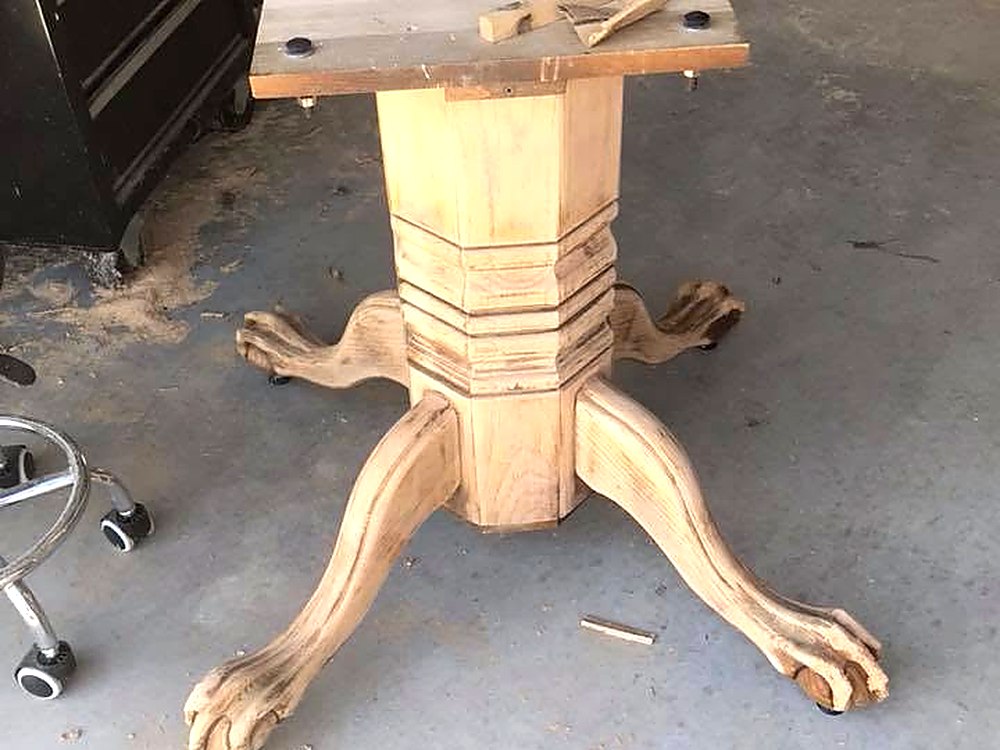
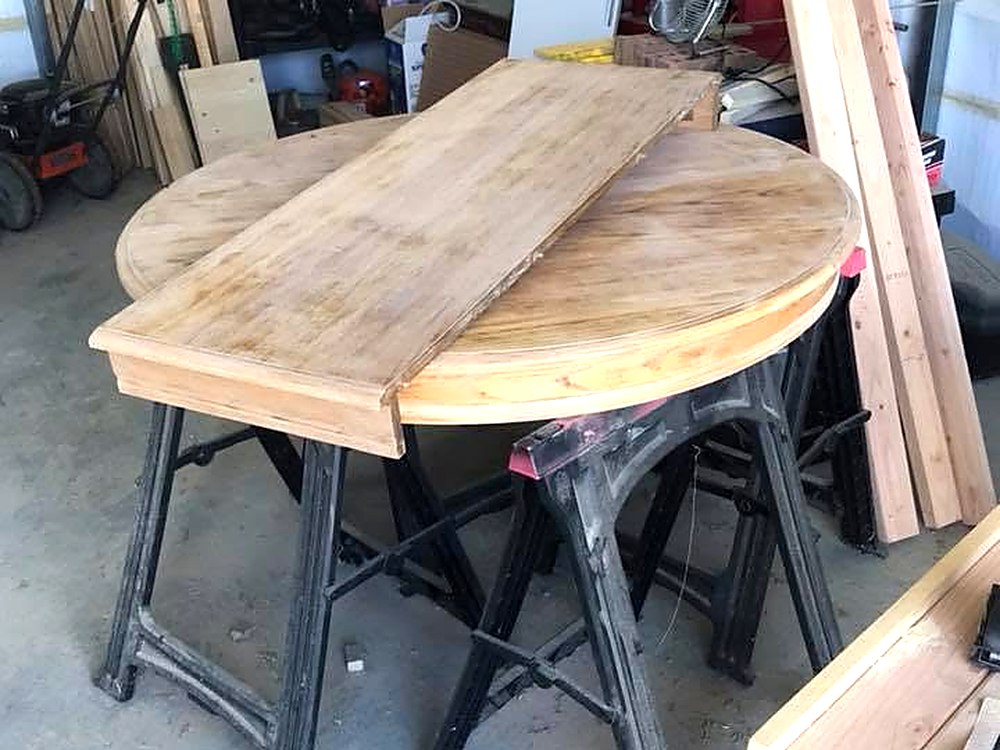
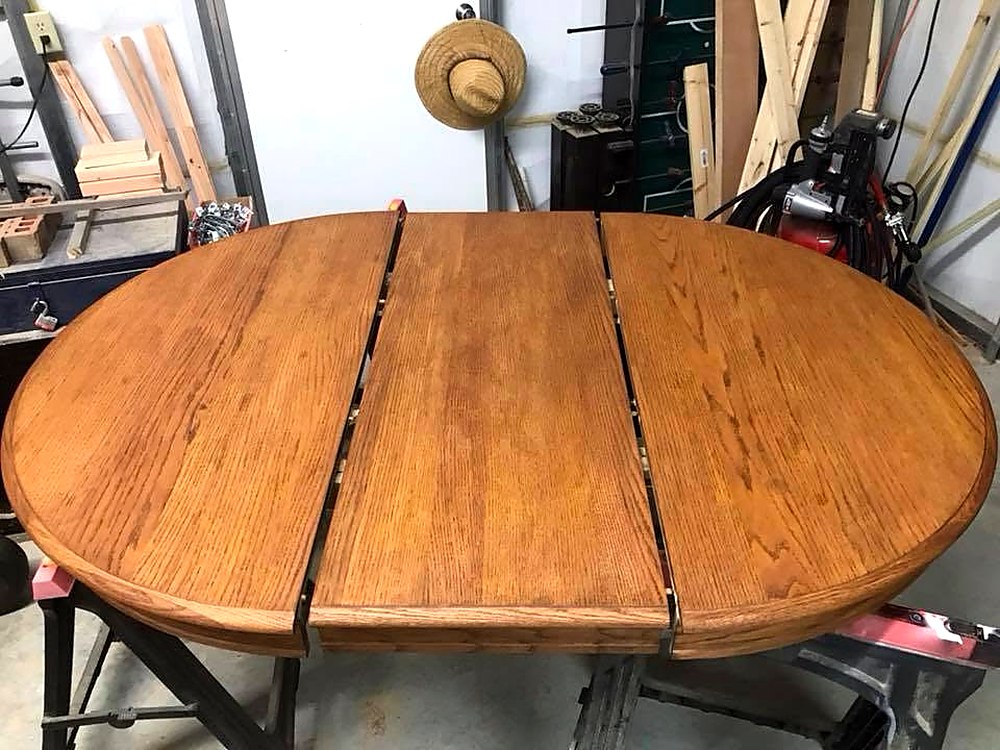
Nineteenth-century furniture was assembled with hide glue, cut joinery and hand-planed surfaces. Hide glue is reversible on purpose — a piece put together that way can be taken apart and repaired again in fifty years, which is exactly why those pieces are still here. Modern adhesives are stronger and permanent, which sounds better and is not, because the next repair becomes impossible.
On genuinely old work we keep to the old method, and the first question is always how little we can get away with doing.
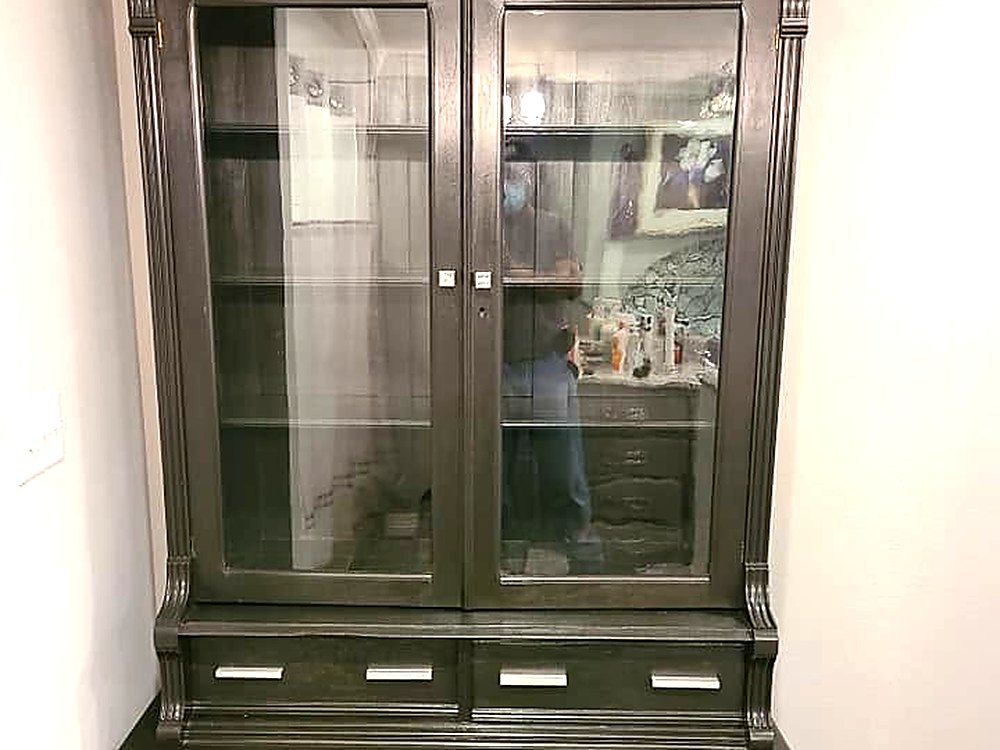
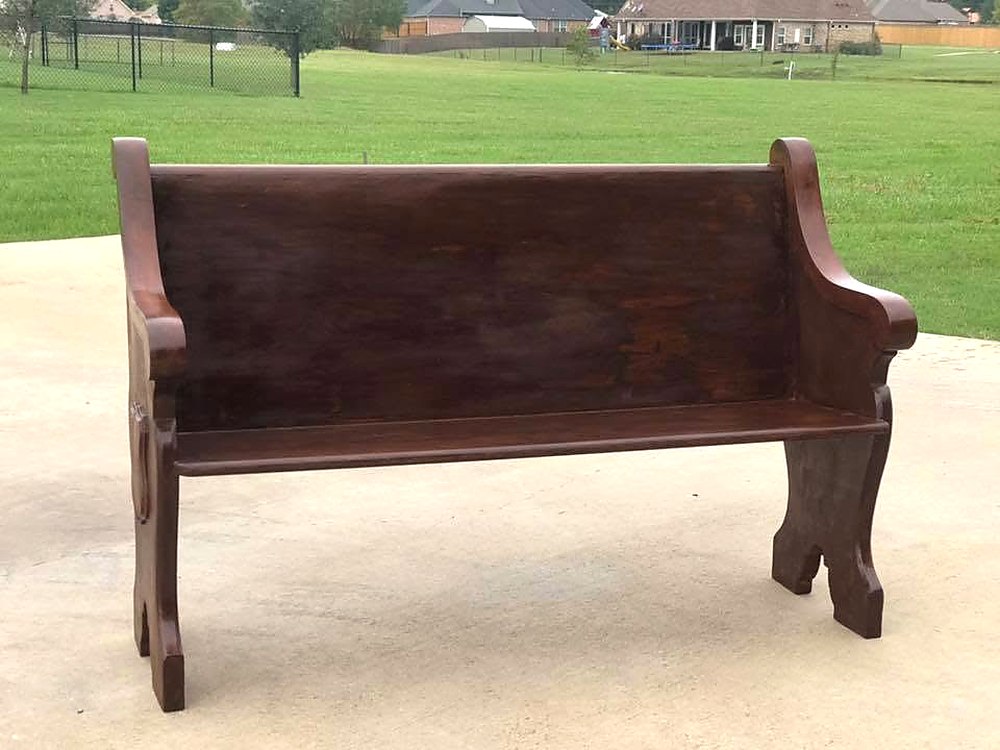
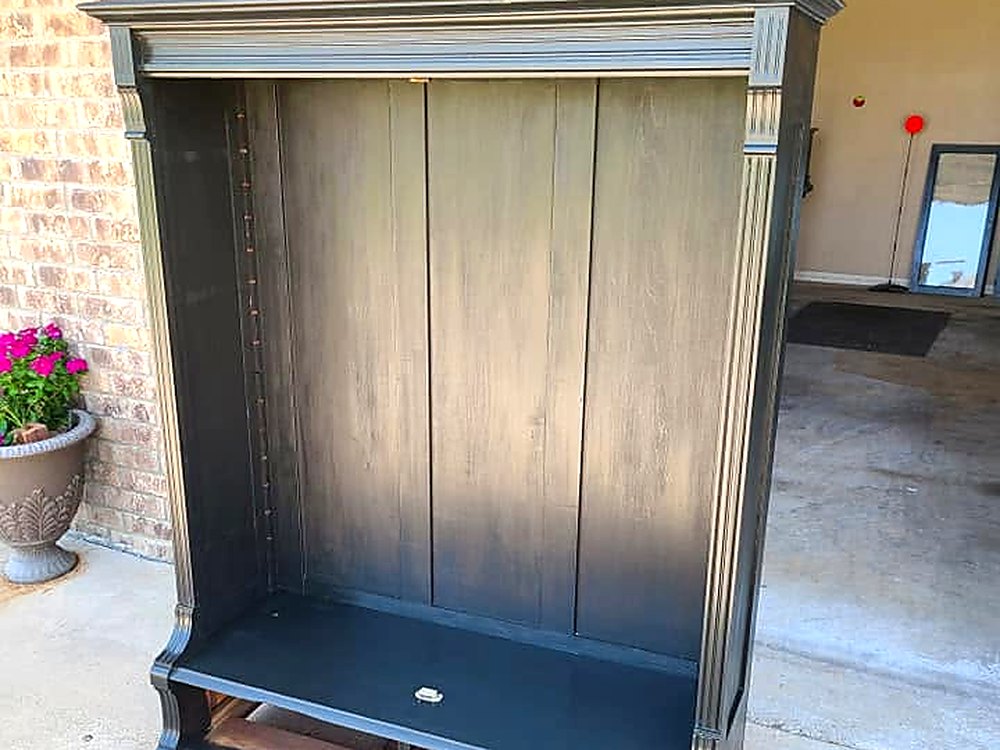
Loose and broken joints. Chairs that rock or have given way at the back. Drawers that bind, drop or sit crooked. Lifted and blistered veneer. Water rings, heat marks and sun-faded tops. Split boards and cracked legs. Missing moldings and turned parts cut to match rather than ordered. And pieces somebody already tried to fix once with the wrong glue, which is nothing to apologize for.
On something with real age the original surface is part of what it is worth, and taking it off cannot be undone. Cleaning, waxing and careful touching-in is frequently the better job and always the cheaper one. Where a piece looks valuable enough that it ought to be appraised before anything is done, we will say so rather than start work.
The shop is in Kilgore. We collect and return rather than expecting you to move a wardrobe. Start with a photo — usually enough to say whether it is a simple fix or a bigger job, and roughly what it runs.
Yes. It is about forty minutes from the Kilgore shop and we collect and return.
We will tell you what we can see — joinery, glue, timber and tool marks say a lot. If it looks valuable enough to appraise first, we will say so rather than start work.
It can. On a genuinely old piece the original finish is part of the value, so we recommend the lightest thing that solves the problem.
It depends entirely on the piece, so nothing is quoted sight unseen. A photo is usually enough for a real number.
The shop is in Kilgore and we travel from here — as far as Lufkin when the job is worth the drive.
A phone picture is plenty. We will tell you what it needs, what it will cost and roughly how long it will take — before you commit to anything.
Send a photo