Do you collect from Marshall?
Yes. It is about forty minutes down I-20 and we collect and return rather than expecting you to move the piece.
 Grace Woodwork
Repair and restoration for Marshall — a town that was the fourth largest in Texas by 1860, with a great deal of furniture still in it from those years.
The town was founded in 1841 as the seat of Harrison County and grew fast on cotton. By 1860 it was the fourth largest city in Texas. It got the first telegraph line in the state in 1854, when the local paper strung a wire to New Orleans, and later became the westernmost division headquarters of the Texas and Pacific Railway. The grand houses, the brick streets and the 1912 depot all date from that stretch of prosperity.
Wealth that early means furniture that was bought new when the house was built, and a lot of it is still here. Marshall pieces that come into this shop tend to be older and better made than the regional average — which is a pleasure to work on and a responsibility, because the wrong repair costs more than money on a piece like that.
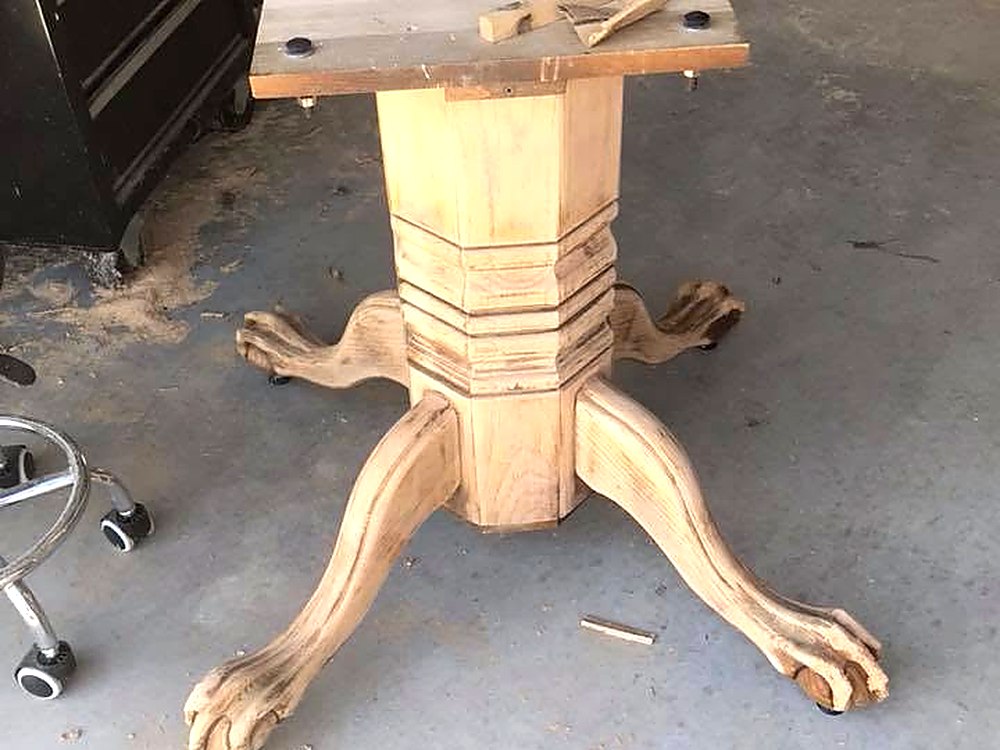
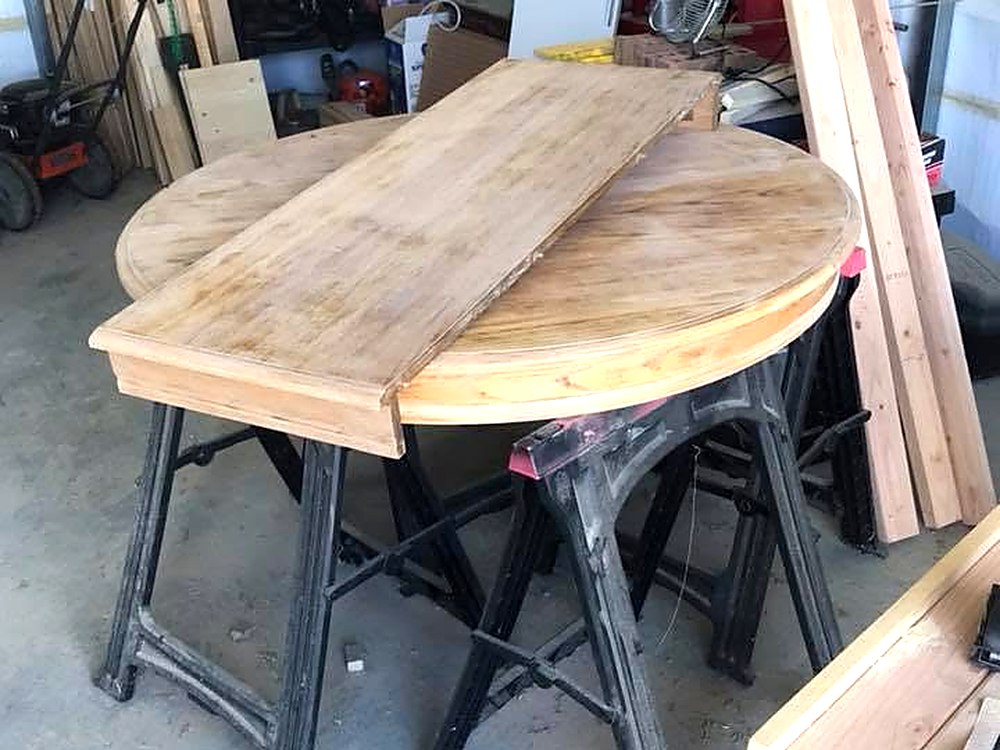
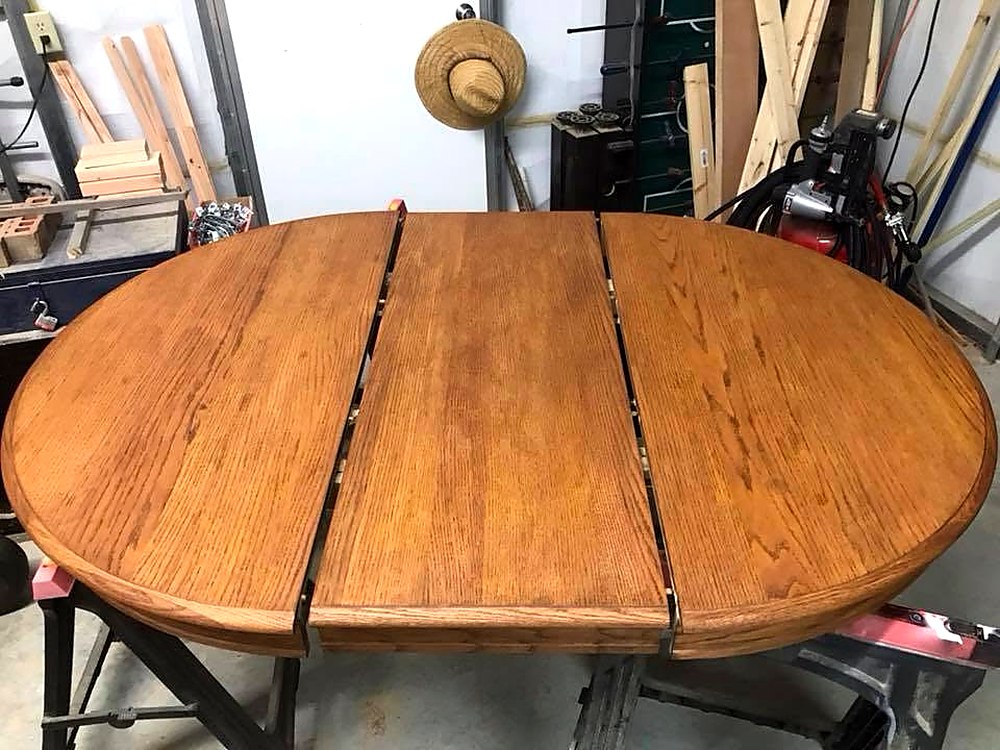
On a piece of real age the order of preference is repair, then match, then remake. A loose joint gets taken apart properly and re-glued rather than pinned. A cracked leg gets a repair that will hold rather than a new leg that will never quite match. Missing moldings and turned parts get cut to the existing profile, not ordered from a catalog.
Hide glue is worth understanding here. Nineteenth-century furniture was assembled with it deliberately, because it is reversible — a piece put together that way can be taken apart and repaired again in fifty years. Modern adhesives are stronger and permanent, which sounds better and is not, because the next repair becomes impossible. On genuinely old work we keep to the old method.
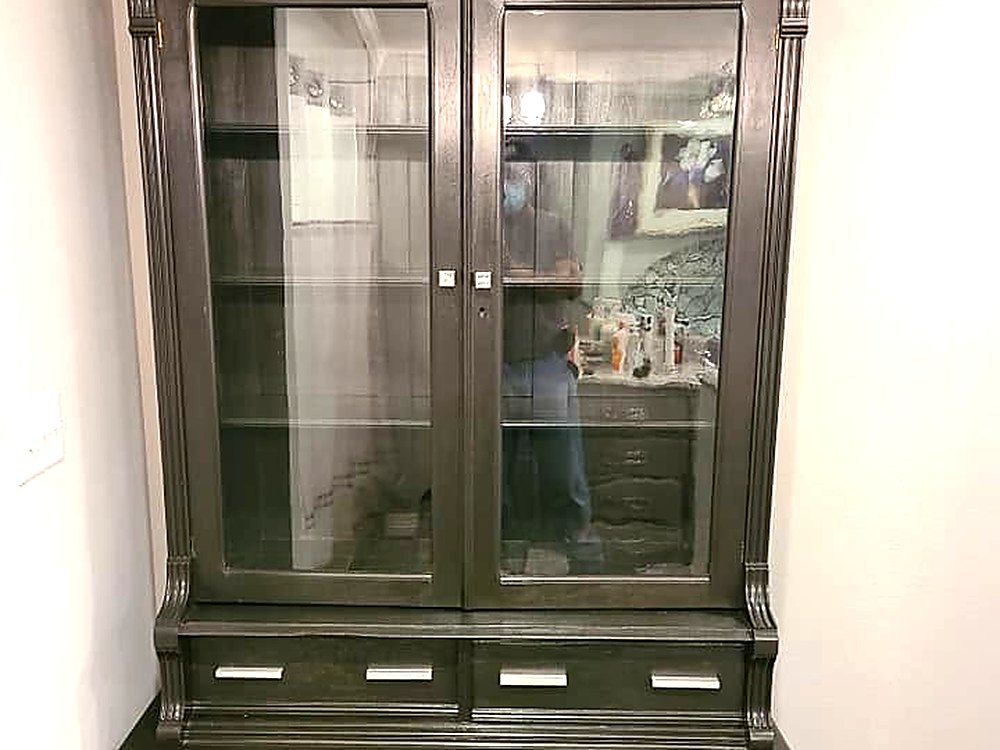
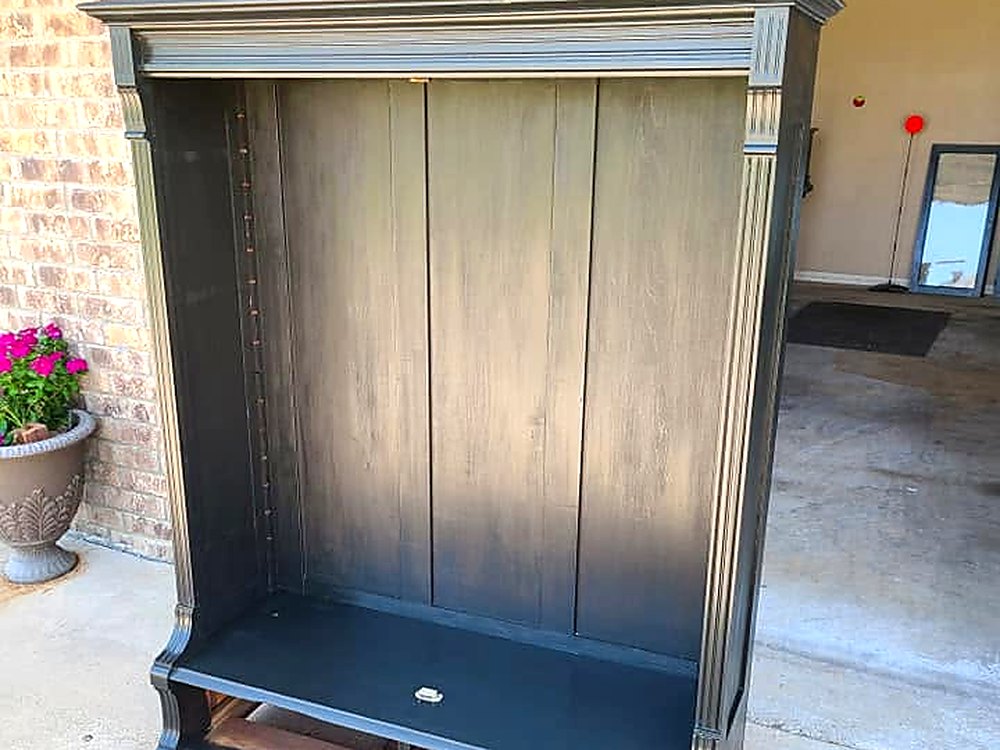
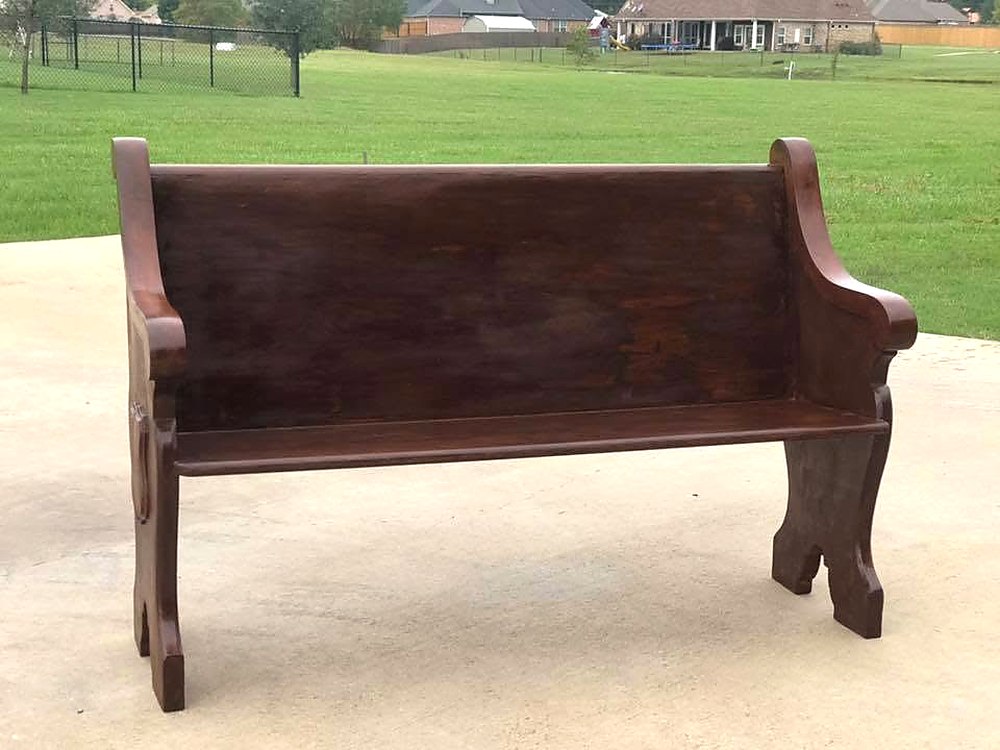
Loose and broken joints. Chairs that rock or have given way at the back. Drawers that bind, drop or sit crooked. Lifted and blistered veneer. Water rings, heat marks and sun-faded tops. Split boards and cracked legs. Missing trim and turned parts. Full strip-and-refinish work where the old finish genuinely is finished, and a careful clean-and-revive where it is not.
On something with real age, the original surface is part of what it is worth and taking it off cannot be undone. Cleaning, waxing and touching-in is frequently the better job and always the cheaper one. Where a piece looks valuable enough that it should be appraised before anything is done to it, we will say so rather than start work.
The shop is in Kilgore, about forty minutes west of Marshall on I-20. We collect and return rather than expecting you to move a wardrobe. Start with a photo on your phone — that is usually enough to say whether it is a simple fix or a bigger job, and roughly what it runs. Nothing starts until you have a real number.
Yes. It is about forty minutes down I-20 and we collect and return rather than expecting you to move the piece.
We will tell you what we can see — the joinery, the glue, the timber and the tool marks say a lot. If it looks valuable enough to appraise first, we will say so rather than start work.
It can. On a genuinely old piece the original finish is part of the value, so we recommend the lightest thing that solves your problem.
It depends entirely on the piece, so nothing is quoted sight unseen. A photo is usually enough for a real number.
The shop is in Kilgore and we travel from here — as far as Lufkin when the job is worth the drive.
A phone picture is plenty. We will tell you what it needs, what it will cost and roughly how long it will take — before you commit to anything.
Send a photo